5 reasons you shouldn't use Drano
Chemical drain cleaners like Drano work by producing heat to break down a clog. That heat and the caustic chemicals can soften…
Remove the drain cover, pull out what hair you can with gloves or a plastic drain strip, then feed a hand auger in slowly, turning it as you go. When you feel resistance, crank it to grab the clog and pull it back out. Flush with hot water. If the water still won't drain, the clog is further down the line.
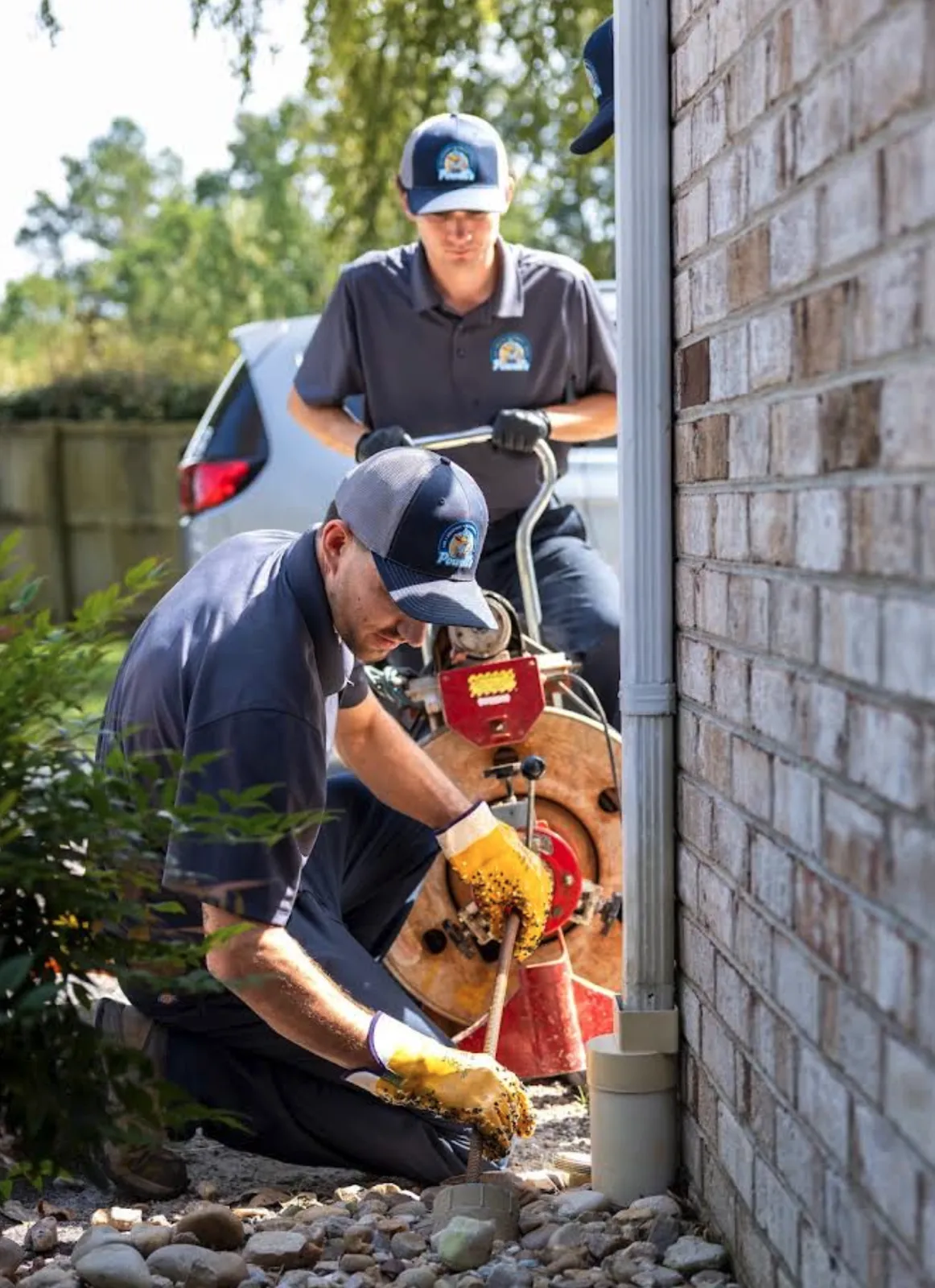
A clogged shower drain can be a frustrating inconvenience, leading to slow drainage, standing water, and even unpleasant odors. Hair, soap scum, and other debris commonly build up over time, restricting water flow. Fortunately, you can often clear the clog yourself using safe and effective methods. Here, we’ll walk you through how to unclog and snake your shower drain, along with expert tips to keep your pipes flowing freely.
Before diving into the unclogging process, it helps to understand what typically causes a blockage. The most common culprits include:
Before using tools or chemicals, pour a kettle of boiling water down the drain. This can help dissolve soap scum and loosen minor blockages. However, avoid this method if you have PVC pipes, as excessive heat may damage them.
A standard household plunger can be a powerful tool for minor clogs. Follow these steps:
1. Remove the drain cover.
2. Fill the tub or shower floor with a small amount of water to create a seal.
3. Place the plunger over the drain and push down firmly, then pull up quickly. Repeat several times.
4. Check if the water starts draining more freely.
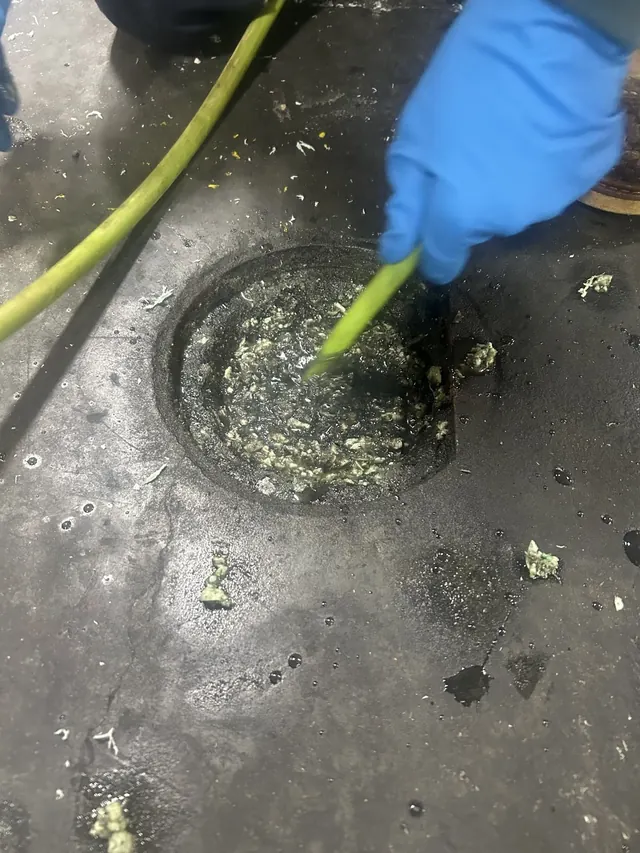
If the plunger doesn’t work, a drain snake can help break up the blockage. A drain snake is a flexible tool designed to reach deep clogs that are out of reach. Here’s how to use it:
1. Insert the snake into the drain: Push it in until you feel resistance.
2. Twist and push: Rotate the handle while pushing gently to break apart or hook onto the clog.
3. Pull out the debris: Slowly retract the snake, removing hair and debris from the drain.
4. Flush with hot water: Once the clog is removed, run hot water to clear out any remaining residue.
If you prefer a natural alternative to harsh chemical drain cleaners, try a baking soda and vinegar combination:
This method is effective for minor buildups and has the added benefit of deodorizing the drain.
Once your shower drain is clear, follow these maintenance tips to prevent future clogs:
If you’ve tried all these methods and your drain is still clogged, it may indicate a more severe blockage or an issue deeper in your plumbing system. If water backs up into other drains, gurgles, or has a foul odor, contact a professional plumber to prevent further damage.
A 1/4-inch hand auger that's 15 to 25 feet long works for most shower drains.
Yes, if you force it. Don't crank hard against resistance at a bend. Let the tip do the work.
Use a hair catcher, clean it every week, and flush the drain with hot water once a month.
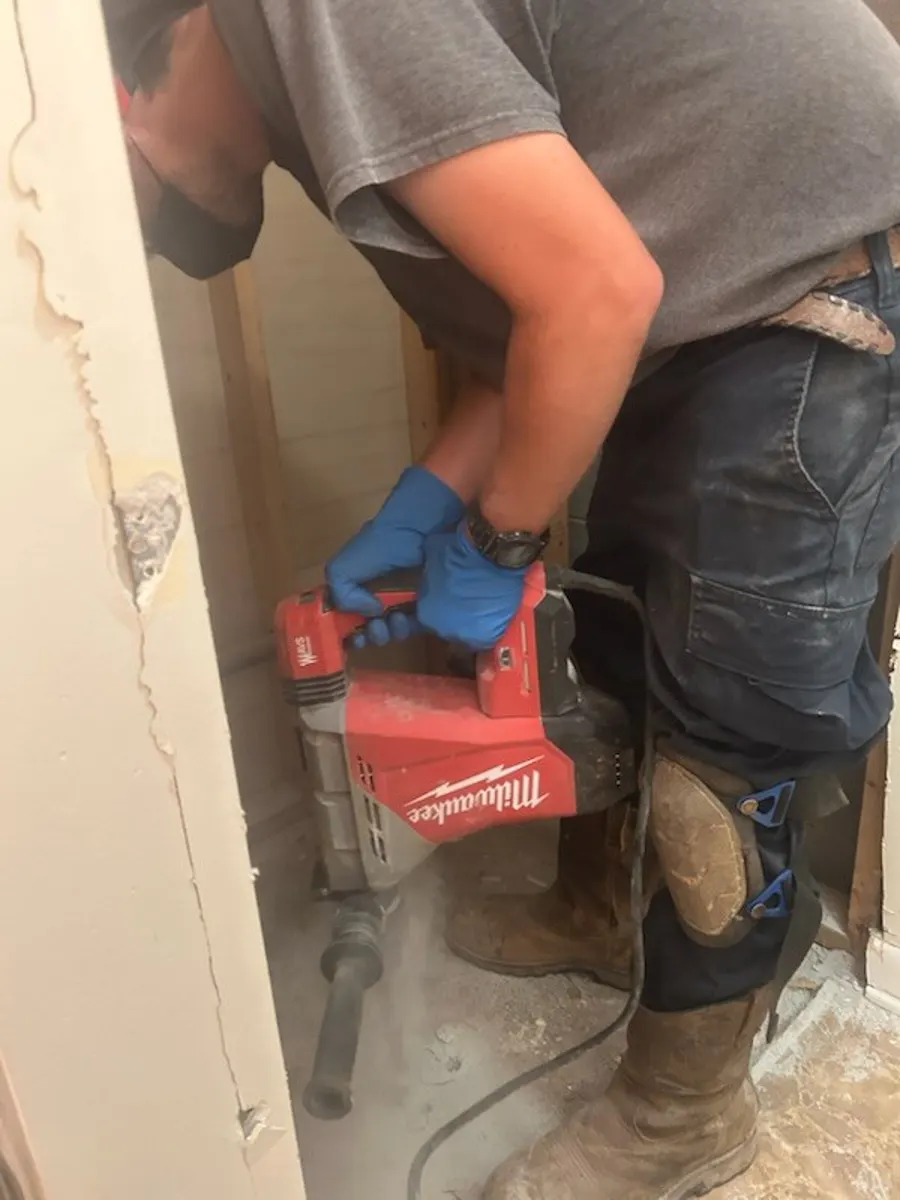
Chemical drain cleaners like Drano work by producing heat to break down a clog. That heat and the caustic chemicals can soften…
If more than one drain is slow, toilets gurgle, water backs up into the tub or shower when you flush or run…