A water heater plays a central role in every home, providing the hot water necessary for everyday comfort—showers, laundry, cooking, or cleaning. But while most homeowners understand the importance of having a reliable water heater, the question of who installs it often gets overlooked. Many are tempted to make this a DIY project or hire the cheapest available labor. Unfortunately, that’s where long-term problems, inefficiency, and even serious safety risks begin.
When it comes to water heaters, it’s not just about getting hot water today—it’s about ensuring the system serves you safely for years to come. This is where professional water heater installation makes all the difference. Done correctly, it can save you money, minimize repairs, extend the unit’s lifespan, and keep your home safe.
Let’s dive into why professional installation matters and why it is always worth the investment.
The Real Role of a Water Heater in Your Home
Before discussing why installation matters so much, it helps to understand just what a water heater is up against. Unlike smaller appliances, your water heater is a workhorse that operates daily, often multiple times a day.
Each time you turn on the hot water faucet, your heater springs into action. It has to safely heat cold water to the proper temperature, distribute it to various parts of the home, and maintain consistent efficiency while under constant pressure. This means your heater handles both plumbing and electrical or gas-powered demands—a combination that can quickly become dangerous if mishandled.
Improper installation or careless handling doesn’t just result in water heater repair near me bills; it can create risks such as water leaks, scalding hazards, gas leaks, or even electric shocks. That’s why seeking skilled professionals for water heater installation is not just a smart choice—it’s a responsible one.
Why Safety Comes First with Professional Installation
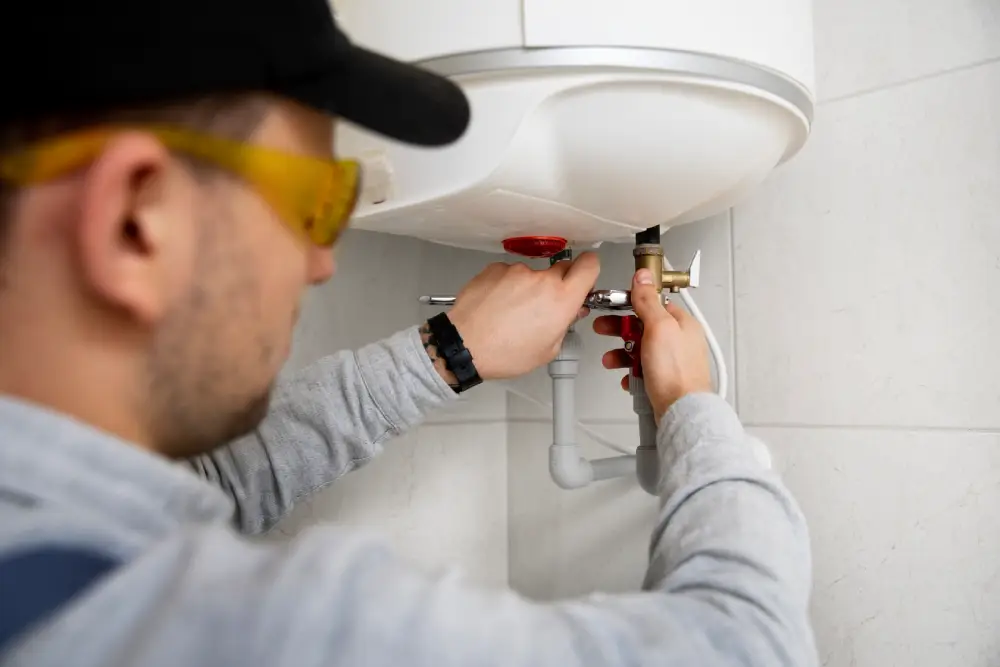
One of the most critical reasons homeowners should choose professional installation is safety. A water heater isn’t like a simple appliance you can plug into the wall. It requires precise connections, secure fittings, and an understanding of both local codes and manufacturer requirements.
Gas-Powered Heater Safety
Gas-powered water heaters demand extra caution. If installed improperly, they can leak carbon monoxide or gas—both of which can be deadly. Professionals ensure proper ventilation, sealed connections, and that the burner and pilot light are safely calibrated.
Electrical Safety Concerns
Electric water heaters may seem less risky, but they come with their own set of hazards. Faulty wiring, incorrect amperage, or loose connections can cause electrical shocks or even house fires. Professional installers double-check the electrical load and follow safety protocols to eliminate these dangers.
Pressure Build-Up and Explosion Risks
Perhaps the most underestimated risk is pressure build-up. A poorly installed water heater that lacks proper relief valves can actually explode under pressure, causing catastrophic damage. A professional understands how to properly connect a temperature and pressure (T&P) relief valve to prevent this.
So, while you could read instructions online and attempt a DIY, the risk far outweighs any short-term savings. That’s where professional expertise becomes priceless. Their training can prevent life-threatening mistakes and give your family peace of mind.
Efficiency: Saving Energy and Lowering Costs
It’s not enough to have hot water—you want it efficiently. A water heater that wastes energy drives up monthly bills and works harder than necessary, shortening its lifespan.
Professional water heater installation ensures that the unit is set up correctly from the start. This includes proper sizing, correct placement, and secure insulation—all of which directly impact how efficiently your system runs.
For example, if your home has a water heater that’s too small, it will overwork itself trying to keep up with household demand. Conversely, if the water heater is oversized, you’re simply wasting energy by heating water that never gets used. Professionals will measure your home’s water usage and recommend the right size and type of heater for peak performance.
Another factor is placement. It may sound surprising, but where your water heater sits in relation to bathrooms, kitchens, and the laundry matters. If installed too far from main hot water usage points, the system will require more time and energy to deliver heated water, leading to heat loss. A professional knows how to optimize placement for both convenience and energy savings.
Efficiency is not just about short-term savings on your utility bill—it’s about ensuring that your unit isn’t strained day after day, increasing the likelihood of water heater repair down the road.
Long-Term Durability: Getting the Most Out of Your Investment
A water heater should last around 8–12 years, -depending on type and maintenance. However, poor installation can slash that lifespan in half. Imagine investing in a new unit only to replace it again in four to five years—that’s wasted time and money.
Professional installation drastically reduces the risk of common issues that wear down heaters prematurely. This includes leaks from poorly sealed joints, corrosion triggered by improper anode rod positioning, or strain from a poorly leveled unit.
When professionals install your water heater, they ensure it’s securely anchored, correctly vented, and connected using quality materials. This attention to detail prevents the small but significant mistakes that lead to bigger failures.
And here’s why this matters: repeated water heater repair may not seem as daunting in the short term, but over time the costs add up. Paying for patchwork solutions every year costs much more than simply starting off with high-quality professional installation.
When DIY or Unprofessional Installation Backfires
It’s easy to understand why some homeowners attempt DIY installation—they want to save money. But the truth is, water heater installation is not like painting a wall or changing a doorknob. The risks are high, and the margin for error is razor-thin.
Common DIY Mistakes Include:
- Using the wrong fittings, leading to leaks
- Failing to install a T&P valve correctly
- Incorrect electrical wiring or breaker compatibility
- Not setting up venting systems correctly, especially with gas heaters
- Skipping permits or not following local building codes
Each of these mistakes is a costly fix later, often requiring professional intervention anyway. More often than not, the outcome is repeated water heater repair when the entire problem could have been avoided with professional installation.
At the end of the day, cutting corners during installation rarely saves money—it simply transfers the cost to future headaches.
Professional Installation vs. Water Heater Repair
There is an important relationship between water heater installation near me and water heater repair. Most repairs that homeowners call for—leaks, strange noises, inconsistent water temperature—are often the result of improper installation from the start.
By prioritizing expert setup, you automatically reduce the chances of breakdowns, ensuring fewer service calls and disruptions. Moreover, proper installation means when maintenance or eventual repair is necessary, the unit is easier to service because it’s been set up correctly in line with code.
Simply put: a professionally installed water heater not only lasts longer but also makes any future maintenance far smoother and less expensive.
The Importance of Ongoing Maintenance After Installation
While installation sets your water heater on the right path, ongoing maintenance is equally important. Professional installers can also offer advice on regular maintenance checks such as:
- Flushing sediment from the tank yearly to avoid buildup and inefficiency
- Checking the anode rod for corrosion
- Monitoring valves to ensure safe pressure release
These small steps help prolong the life of your unit and minimize the need for frequent repairs. With preventive care, you can stretch the service life of your heater well beyond typical averages.
FAQs About Water Heater Installation and Safety
How long does a professional water heater installation take?
For a straightforward replacement, a standard installation typically takes between 2–4 hours. More complex cases, such as switching from electric to gas or relocating the heater, may take longer.
Why does professional installation cost more than DIY?
Professional installation covers not just labor but also the guarantee of safety, compliance with building codes, and the prevention of costly repair issues later. It’s more of an investment in long-term security than just a one-time expense.
Can I extend the lifespan of my water heater after professional installation?
Yes, absolutely. Regular maintenance like flushing sediment, inspecting valves, and having periodic professional tune-ups can extend the unit’s life. Many homeowners keep their heaters running efficiently well beyond the typical 10-year benchmark.
Do I always need to replace my water heater if it’s not working properly?
Not always. Sometimes a water heater repair, like replacing a heating element or thermostat, can resolve the problem. But if the unit is old or poorly installed, replacement may be the safer and more cost-effective choice.
How do I know if my water heater was poorly installed?
Warning signs include inconsistent hot water, water pooling around the unit, foul-smelling water, unusual noises, or frequent repair needs. If you experience these issues soon after installation, it may point to improper setup.
Powell’s Plumbing & Air
152 Windy Hill Ln, Winchester, VA 22602, United States
(540) 665-8196