The difference between a boiler and a water heater
A water heater heats water for your faucets, showers and appliances. A boiler heats water (or makes steam) that circulates through radiators…
A loud bang when your gas furnace starts is often delayed ignition: gas builds up before it lights, then lights all at once. Dirty burners or a weak ignitor are common causes. It can crack the heat exchanger over time, so have it checked. Lighter popping as the ducts heat up and cool down is usually just metal expanding.
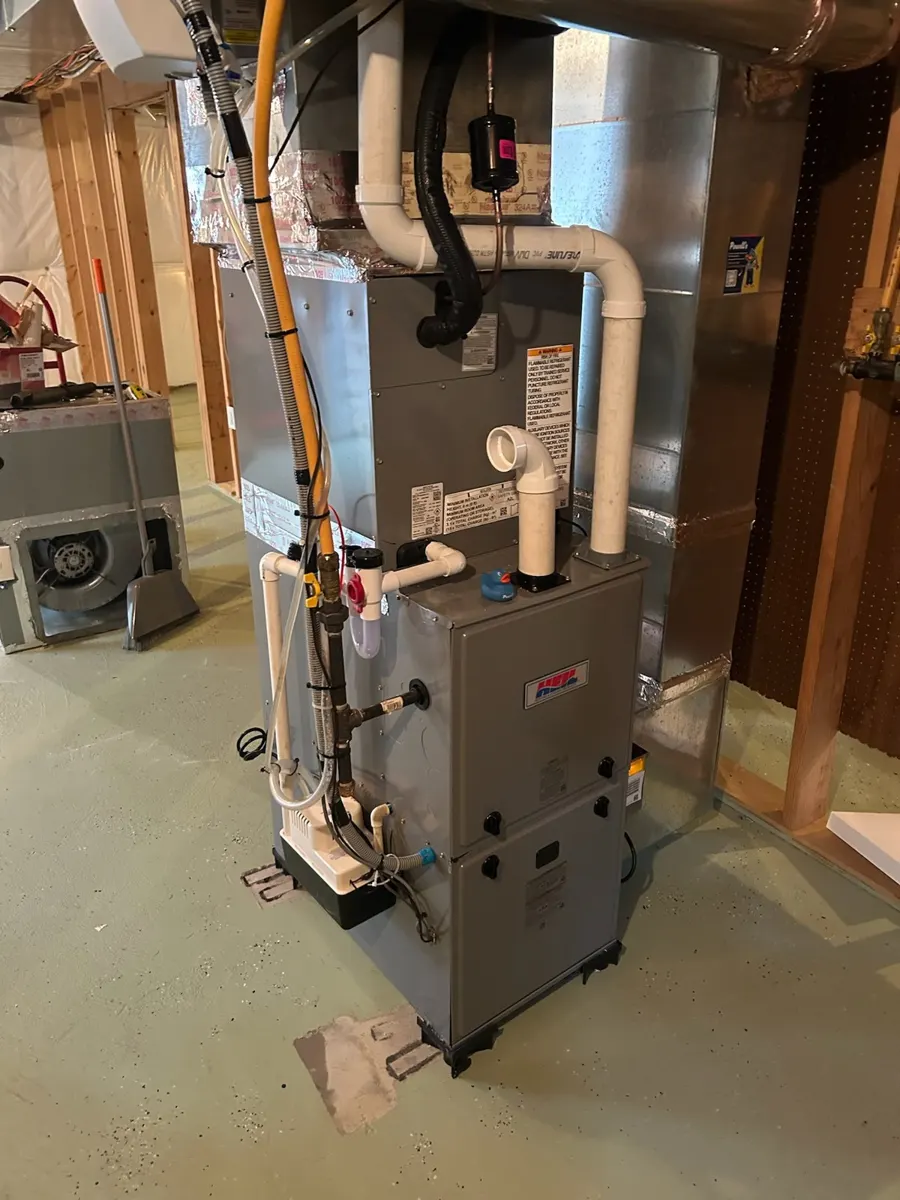
You are sitting in your living room in Norfolk, VA, enjoying a quiet evening as the coastal wind rattles the windows of your older brick home near the Lafayette River. Suddenly, a sound like a small cannon firing erupts from the basement or the utility closet. Your heart skips a beat, the dog starts barking, and the house falls silent again, save for the rhythmic hum of the blower motor. This isn’t just a ghostly manifestation or a quirk of a house built in the mid-20th century; it is your heating system screaming for attention.
Loud banging in your Norfolk, VA furnace often indicates delayed ignition or expanding metal ducts. Our background-checked technicians will perform a thorough evaluation to ensure your burner is clean and safe. Understanding the “why” behind the noise is the first step toward restoring the peace and safety of your Norfolk residence.
When your furnace is making a loud banging noise, the most common culprit is a phenomenon known as delayed ignition. To understand this, think of your furnace like a gas grill. When you turn on the gas and wait too long before clicking the igniter, a cloud of gas builds up. When the spark finally catches, it ignites all that gathered gas at once, resulting in a “poof” or a minor explosion.
Inside your furnace, this process happens within the combustion chamber. If the burners are dirty—common in Norfolk homes where high humidity can lead to moisture-related corrosion—the gas cannot reach the igniter quickly enough. The gas accumulates for a few seconds too long, and when it finally meets the flame, it creates a mini-explosion. This creates the alarming “boom” or “bang” you hear echoing through your vents. Over time, these small explosions can act like a sledgehammer hitting your heat exchanger, causing tiny cracks that can leak dangerous gases into your breathing air. This is why a noisy furnace is more than an annoyance; it is a significant safety concern that requires expert Norfolk heating services.
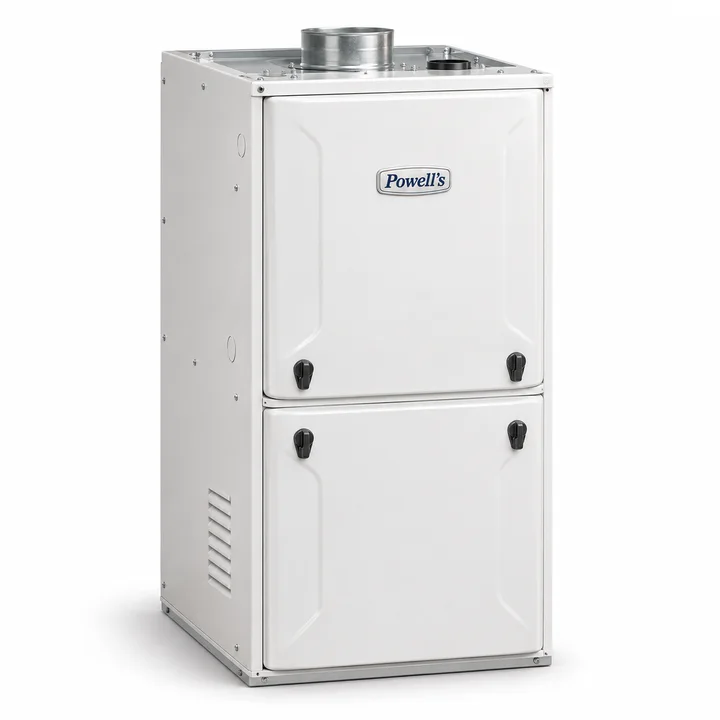
Not all banging noises are explosions. Sometimes, the noise is purely structural. Norfolk’s older homes often feature rectangular metal ductwork that wasn’t designed for the high-pressure blowers of modern 2026 HVAC systems. When the furnace turns on and hot air rushes into cold metal ducts, the metal expands rapidly.
Think of a cookie sheet in a hot oven. Sometimes, as it heats up, it suddenly “pops” or warps under the heat. This is exactly what is happening in your walls. If the ductwork is undersized or if there is a significant temperature difference between the attic and the living space, the metal will flex and snap. While this isn’t as dangerous as delayed ignition, it can indicate that your system is working harder than it needs to, potentially leading to a premature breakdown during a February cold snap.
Many Norfolk residents are surprised to learn that their furnace noise might be related to other systems in the home. In many Tidewater mechanical rooms, the furnace and the water heater share a common vent or gas line. If your water heater is struggling, it can affect the pressure balance of the entire mechanical system.
If the gas pressure is inconsistent, you might not only need furnace maintenance but also water heater repair. If a water heater is sediment-heavy and rumbling, it vibrates the shared gas line, which can contribute to the “dirty burner” problem mentioned earlier. Ensuring you have access to comprehensive water heater repair services is vital for the overall mechanical health of your property.
In 2026, home safety technology has advanced significantly, but the fundamental mechanics of fire and air remain the same. A heat exchanger is the metal shield that keeps the fire and poisonous exhaust separate from the air your family breathes.
When a furnace bangs due to delayed ignition, it sends a shockwave through that metal shield. Imagine bending a paperclip back and forth; eventually, the metal weakens and snaps. A cracked heat exchanger can allow carbon monoxide to seep into your home. Since Norfolk homes are often tightly sealed to keep out the humid summer air, that gas has nowhere to go. Problems like these are why prompt inspections and repairs matter. Dealing with odd noises early can make a big difference to both comfort and safety.”
Why wait for the bang? In Norfolk, the “salt air” from the Chesapeake Bay can accelerate the corrosion of mechanical parts. Proactive maintenance is like an insurance policy for your comfort. By having a professional evaluate your system before the winter hits, you can avoid the “mini-explosion” scenario entirely.
It is helpful to look at the differences between a planned check-up and an emergency service call when your furnace has already failed.
These tools can tell the difference between the “bang” of a duct and the “bang” of a burner from thirty feet away.
We begin by inspecting the exterior of the furnace.
This tells us exactly how efficiently the fuel is burning.
We remove the burner assembly and clean it with specialized brushes. We clear the paths so the gas flows smoothly to the pilot or igniter.
While the furnace is the loudest member of your home’s mechanical family, the water heater is often the most overlooked. In many Norfolk homes, particularly those in historic districts, the water heater is tucked away in a crawlspace or a tight closet.
If your furnace is banging, it could be a symptom of a larger gas pressure issue that also affects your water. If the pilot light on your water heater frequently goes out, or if you hear a “rumbling” like stones in a dryer, you likely need water heater repair. Sediment buildup in Norfolk’s water can create a “blanket” at the bottom of the tank, causing the water trapped underneath to boil and “pop,” creating noises that can travel through the pipes and be mistaken for furnace trouble. Our comprehensive water heater repair services ensure that your entire home remains a sanctuary of quiet and comfort.
Many Norfolk homeowners try to self-diagnose these issues, leading to myths that can be dangerous.
When a loud bang happens, the last thing you want is the stress of a ticking clock. Some companies charge by the hour, which means if the “evaluation” takes three hours, you are on the hook for a massive bill.
Whether the fix is simple or complex, you know the investment required before we ever pick up a wrench. This “budget-friendly” approach ensures that Norfolk families can prioritize safety without worrying about an open-ended bill.
Our location near the Atlantic Ocean and the Chesapeake Bay means Norfolk has a “high-chloride” environment. This salt-heavy air is incredibly corrosive to the thin metal fins and burner tubes inside your furnace.
If you live near Willoughby Spit or Ocean View, your furnace is essentially living in a “salt bath.” This makes regular maintenance even more critical. We often see burners in coastal Norfolk homes that look ten years older than they actually are because of this atmospheric corrosion.
The 2026 energy codes in Virginia have become more stringent, pushing for higher efficiency. If you have an older furnace that is banging, it may be struggling to meet these modern demands. High-efficiency furnaces use “staged” heating, which is much quieter.
These units use variable-speed blowers that don’t “snap” the ducts because they ramp up the air pressure slowly, like a dimmer switch for a light, rather than a standard “on/off” switch.
Sound travels through metal ducts like a megaphone. A small pop at the furnace can sound like a thunderclap in a bedroom three floors up. This is because the ducts act as a “waveguide.”
Ignoring a loud banging noise is a gamble with your home’s safety.
We perform a holistic review of your home’s mechanical health. This includes:
Our flat-rate pricing is consistent across the city. You pay for the solution, not the hours.
You are in the driver’s seat. No pressure, no sales tactics—just the facts and a “Quack, Quack” to get the job done.
A loud banging noise in your furnace is a call to action. Whether it is the dangerous “delayed ignition” or the frustrating “oil canning” of your ducts, it is a sign that the mechanical balance of your home has been disrupted. In 2026, you shouldn’t have to tolerate a noisy or unsafe heating system.
We will clean your burners, stabilize your ducts, and evaluate your need for water heater repair to ensure your entire home is operating at peak efficiency.
Don’t let a “boom” in the night turn into a disaster in the morning. Let us perform a thorough evaluation and get your home back to the quiet, warm sanctuary it was meant to be.
Delayed ignition can damage the heat exchanger, which can lead to carbon monoxide leaks. Have it checked, and make sure your CO detectors work.
Metal ducts expand as they heat up and contract as they cool. It's usually harmless, but very loud popping can be helped by adjusting airflow.
Change the filter regularly and have the furnace tuned up every fall.
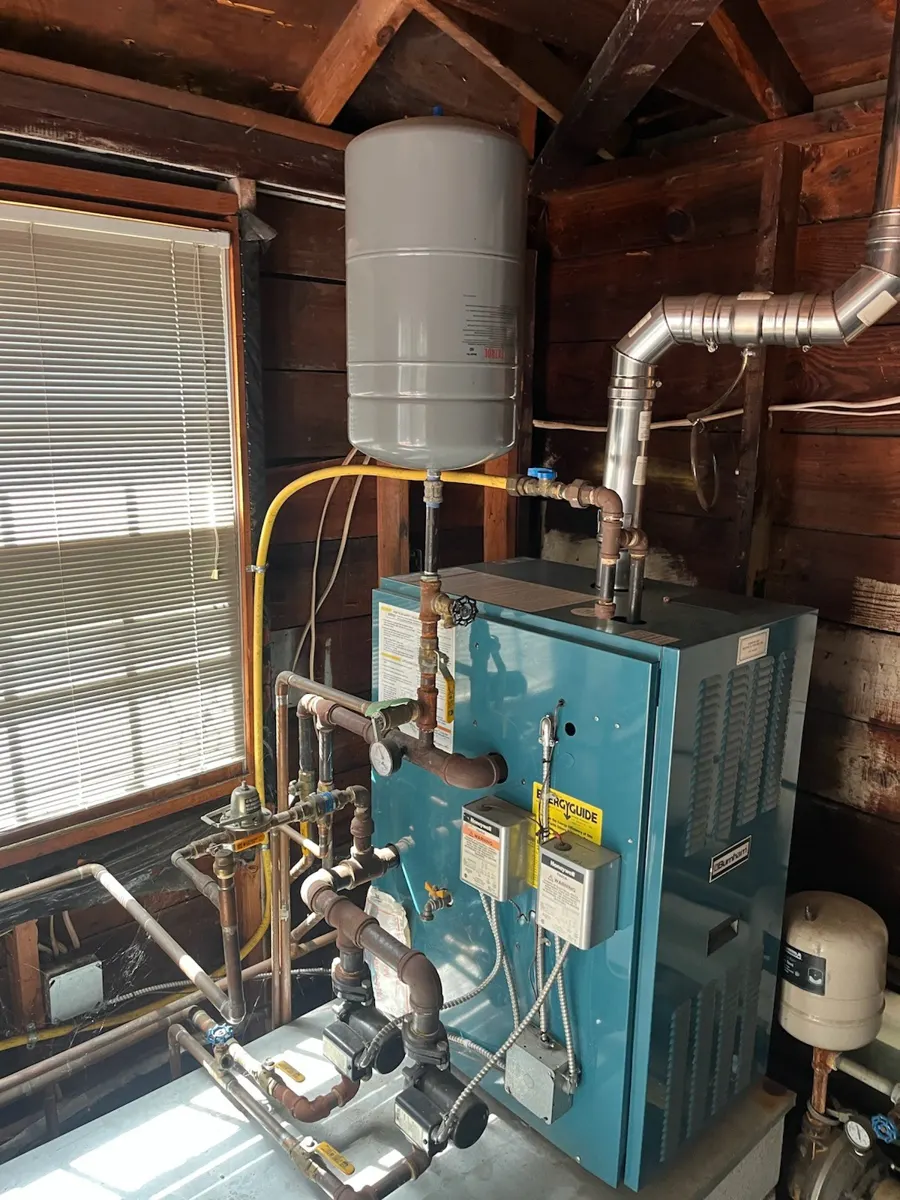
A water heater heats water for your faucets, showers and appliances. A boiler heats water (or makes steam) that circulates through radiators…
Your HVAC system moves heat. A furnace or boiler makes heat, an air conditioner or heat pump moves heat out of (or…