
Copper pipe plumbing: advantages and disadvantages
Copper lasts 50 years or more, handles heat well, resists bacteria and is recyclable. It costs more than PEX, takes longer to…
Look for stains, bubbling paint, soft drywall, a musty smell or a water bill that jumps for no reason. Turn off every fixture and watch the water meter: if it still moves, you have a leak. Shut off the water and call a plumber with leak-detection equipment before you open the wall.
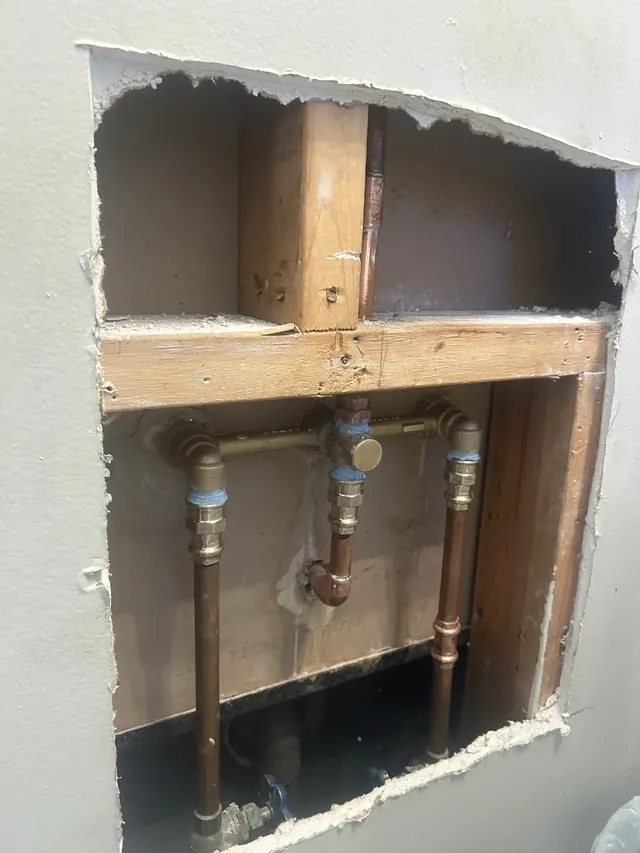
Finding a wet spot on your wall can be shocking and might cause you to feel a little panicked. A water leak in your home, and especially in your wall, is not something you want to see. Before you get too stressed out, it’s possible you can fix the damage without shelling out tons of money. The most important thing to note is that you should deal with the leak as soon as it’s found, this can help reduce the amount of damage that’s created. Once you’ve found the leak what can you do to handle it and what are some ways that you can prevent it from happening? We’ll answer those questions for you in this blog!
The first step is to identify the leak, there are several causes for a leak to begin in your wall. It may be due to a small puncture in your pipe or a failure in caulking. These small failures will allow water to leak through to your wall or baseboards. Water will travel towards the ground so you will likely find an entire section of your wall is wet. If you’re not able to visibly detect the leak you can purchase a moisture meter, this will help locate the leak.
Once you’ve found the location you’ll want to determine what specifically has caused the leak. It may be caused by interior plumbing, exterior above grade issues, or exterior below grade issues.
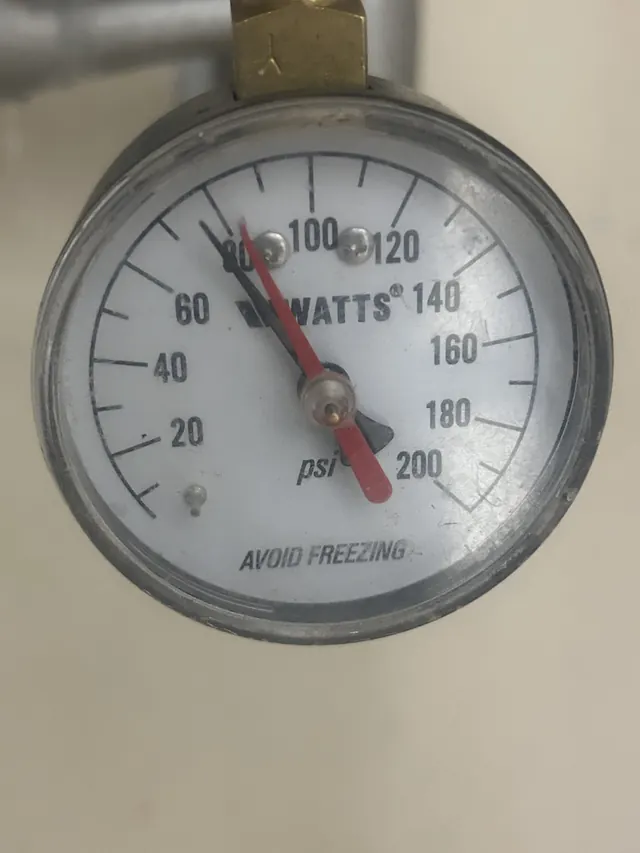
Regardless of the cause once you’ve found the leak you’ll want to begin taking steps to repair the leak. For indoor plumbing issues it’s right to call a plumbing professional. These are more difficult to repair and it’s right to let a professional handle it so that you don’t accidentally cause more damage. For exterior related issues you should be able to remedy this on your own. For exterior above grade you should clean all clogged gutters and downspouts. You may also need to clear and replace caulking at the problem area. For exterior below grade you should check sprinkler systems and call a sprinkler system company for help, adjust downspouts to run off away from your home, and waterproof your basement.
Nobody wants to find a leak in their wall from a plumbing issue. Hopefully these tips and tricks will help you understand what to do if you experience a leak.
Common signs are water stains, peeling or bubbling paint, warped baseboards, soft spots in drywall, a musty smell and the sound of running water when nothing is on.
Turn off every faucet and appliance, then read your water meter. Wait 30 minutes without using water and read it again. If the number changed, water is going somewhere.
A leak in a water line under a concrete slab foundation. Warm spots on the floor, cracks, damp carpet and the sound of running water are typical signs. Repairs range from a spot repair to rerouting the line.
Sudden leaks are often covered. Slow, long-term leaks often aren't. Call your insurer, and document everything with photos.
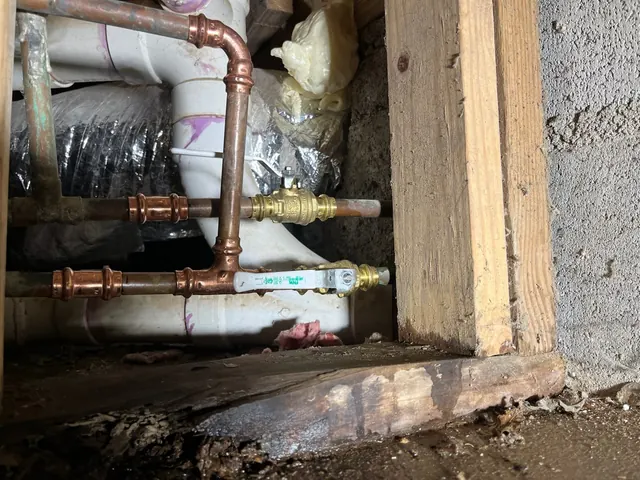
Copper lasts 50 years or more, handles heat well, resists bacteria and is recyclable. It costs more than PEX, takes longer to…
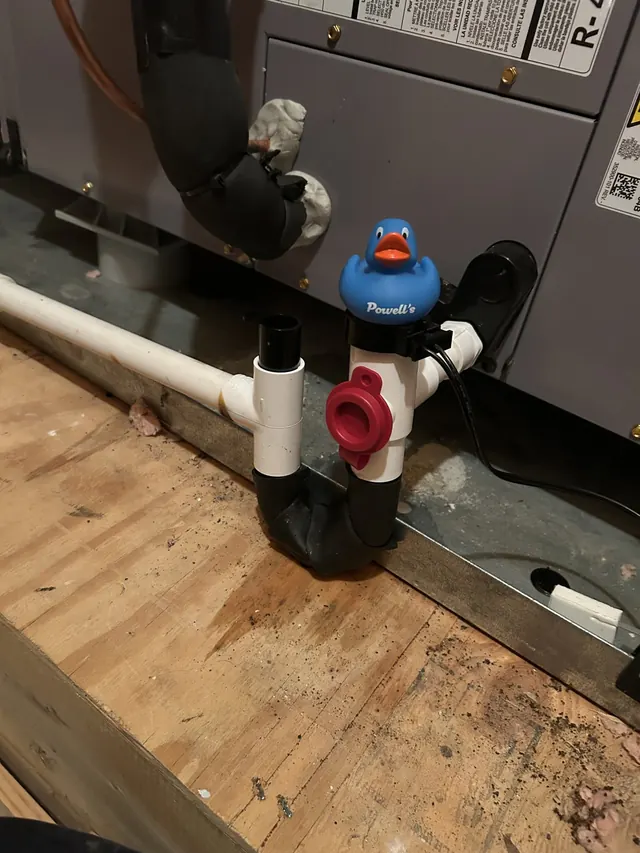
Water and HVAC equipment don't mix. A leaky pipe near the air handler, a clogged AC condensate line or a water heater…