
How to lower your water bill with easy plumbing upgrades
Start by finding leaks. A running toilet or dripping faucet can waste thousands of gallons. Then swap in WaterSense toilets, low-flow shower…
If a faucet only trickles on a freezing morning, a pipe is probably frozen. Open the faucet, then warm the pipe with a hair dryer, space heater or warm towels, starting near the faucet and working back. Never use an open flame. If you can't find the frozen spot, or a pipe has split, shut off the water and call a plumber.
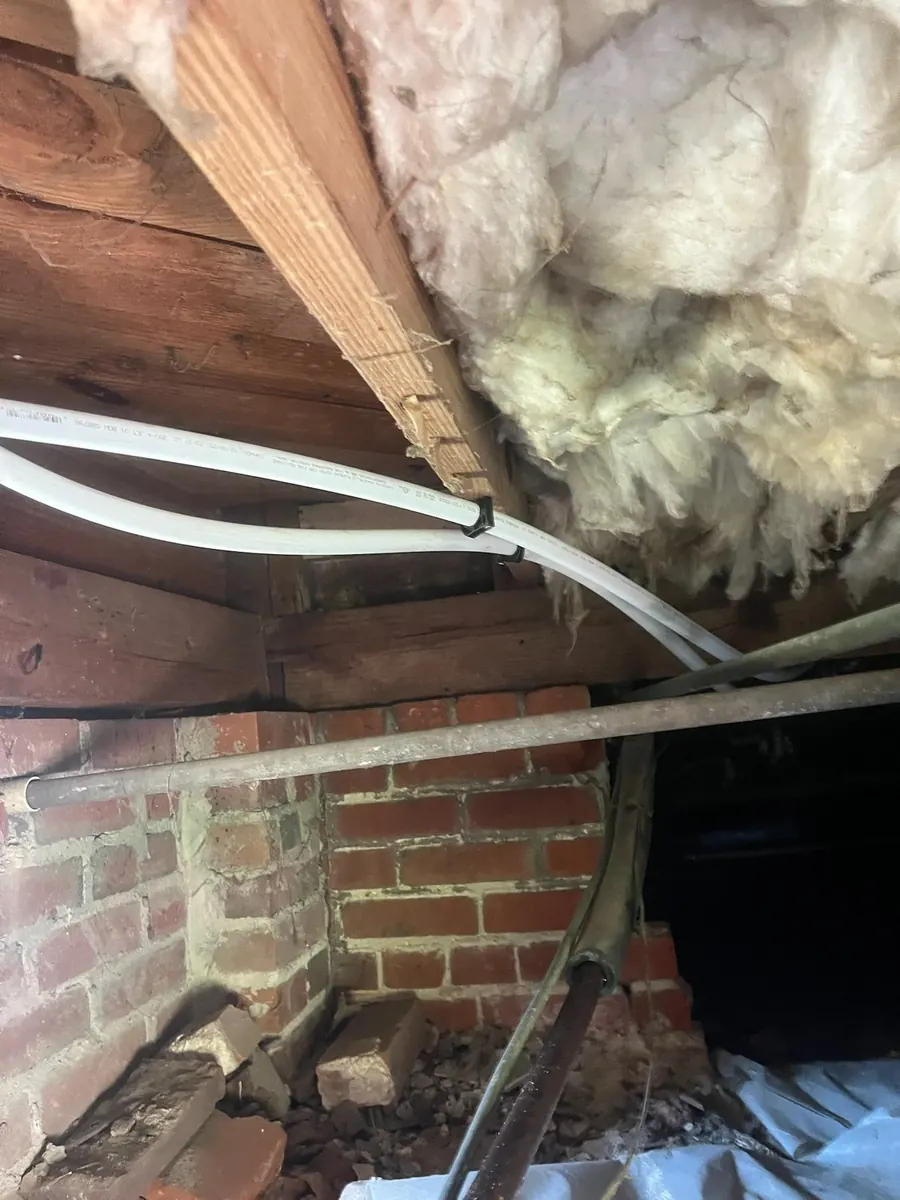
With prolonged freezing temperatures, pipes in your home are at risk of freezing. Knowing what to do with thawing a frozen water pipe is crucial. It’s important to thaw the pipe quickly but also carefully so as to not cause more damage to your plumbing. Here are some steps to take if you find yourself with frozen pipes.
Your first step is to locate the frozen pipe. Turn on your faucet to see if any water comes out, if no water or only a slight trickle comes out, it is likely that the pipe attached is frozen. If one of your pipes is frozen, it’s likely that others are as well. Exposed pipes are easy to spot as they often have a slight bulge or are covered in frost. If the pipe is exposed it will be easier for you to thaw.
Your next step is to open a faucet. The most important part of dealing with a frozen pipe is preventing the pipe from bursting and causing flooding and water damage. You can do this by opening a faucet and relieving the pressure in your pipes. Open both your hot and cold handles on your faucet, as water begins to thaw the open faucet will allow built-up water to escape.
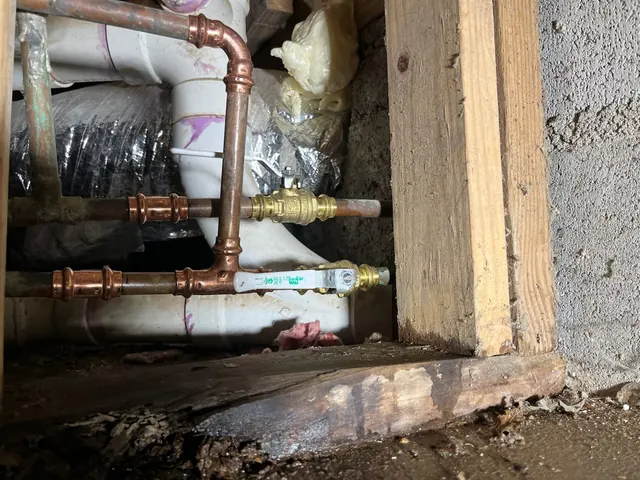
Always begin thawing your pipes closer to the faucet and then work your way down to the blockage. This will assure the water escapes through the faucet without creating more pressure behind the ice blockage.
If your pipes are exposed here are some tools that you can use to thaw the pipes. Use a hairdryer or a heat lamp, a portable space heater, hot towels, or electrical heating tape. As always with electrical devices, you want to make sure you avoid exposing the devices to water to avoid electrocution risks. You also want to monitor things like space heaters, heat lamps, and heating tape as they can melt plastic pipes or cause a fire risk if left unattended.
For enclosed pipes in walls, your options are a bit more limited. You can begin by turning up your home’s temperature. Heating up your home may be all you need to unfreeze the pipe. If this doesn’t work other things might be necessary, such as an infrared lamp on the portion of the wall where the pipe is located. The heat can penetrate the wall and heat up the pipe. In the worst-case scenario you might need to cut a hole in the wall to reach the frozen pipe and then use other methods for exposed pipes to thaw it. You never want to attempt to use an open flame to thaw a pipe., this can damage the pipes and lead to worse issues for your plumbing or cause a fire.
If a pipe does burst, the first thing you should do is shut off the main water line in your home. This will prevent further water damage to your property. Then, call a professional. If you are unable to determine the location of the frozen pipe or are unable to thaw it, you should call a professional before the pipe bursts and causes damage.
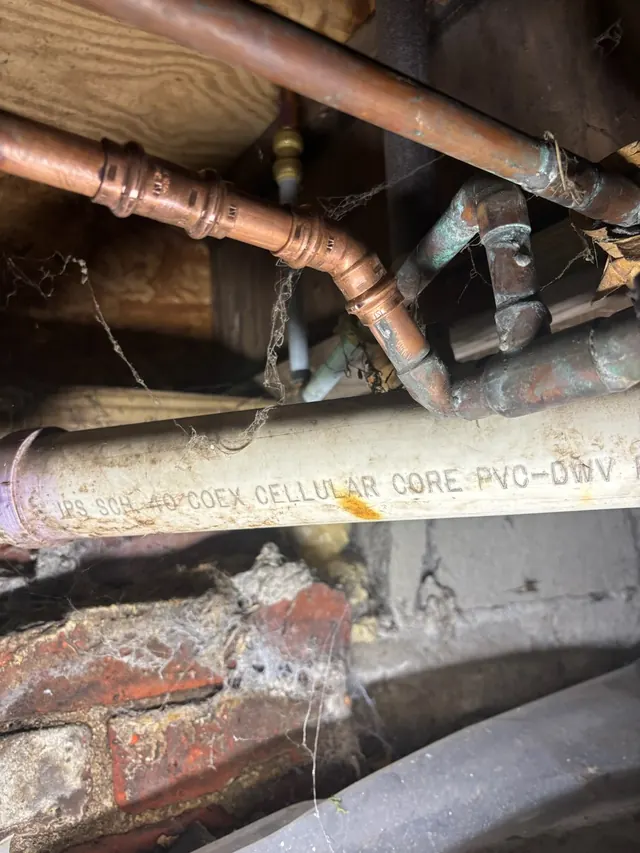
Little or no water from a faucet, frost on exposed pipes, a strange smell from the drain, or bulging in a pipe are the usual signs.
Pipes in unheated spaces are at risk when it's 20°F or below outside, especially overnight.
Insulate pipes in crawl spaces, garages and outside walls, disconnect hoses, let faucets on outside walls drip on the coldest nights, and keep cabinet doors open.
On very cold nights, a slow drip in faucets on outside walls keeps water moving and relieves pressure if ice forms.
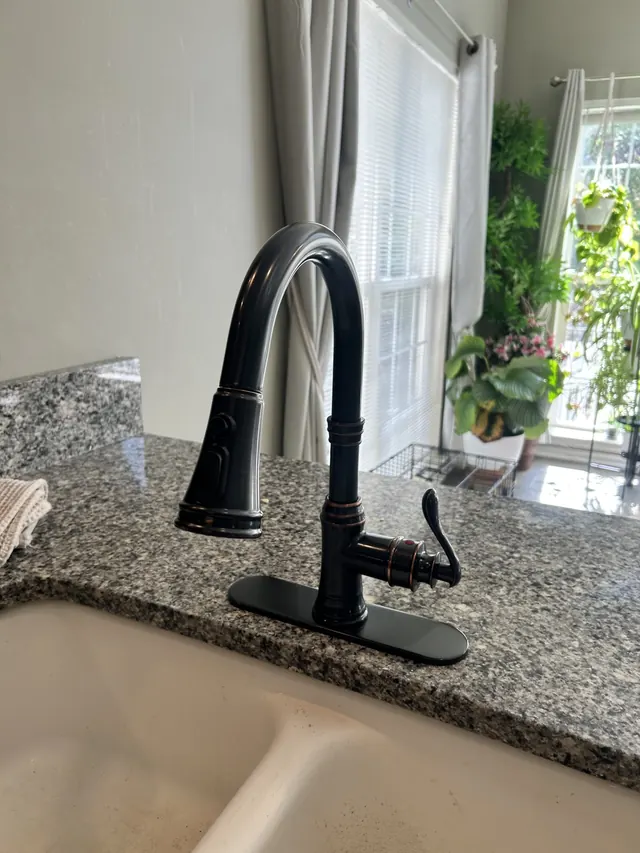
Start by finding leaks. A running toilet or dripping faucet can waste thousands of gallons. Then swap in WaterSense toilets, low-flow shower…
Before you buy, find out what the pipes are made of, how old the water heater is, whether the sewer line has…