The role of ventilation in your home's HVAC performance
Ventilation swaps stale indoor air for fresh air and pulls out moisture and pollutants. Without enough of it, homes get stuffy, humid…
Run the bathroom exhaust fan during every shower and for about 20 minutes after. Make sure it vents outside, not into the attic, and that it's sized for the room (about 1 CFM per square foot for most bathrooms). Keep the door open after showers and wipe down wet surfaces to keep mold away.
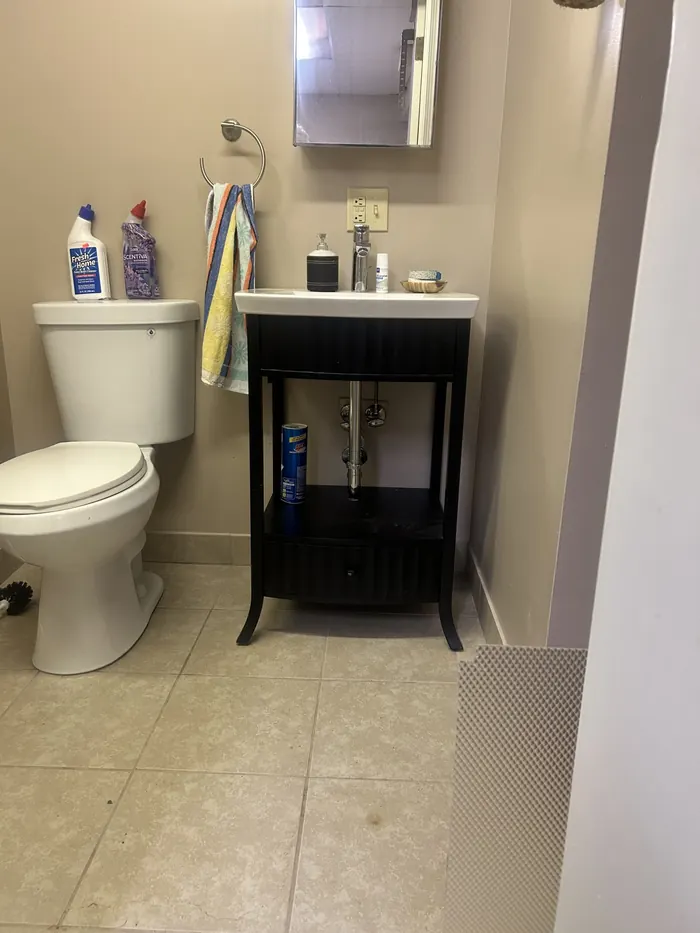
Doing a bathroom remodel? Notice a funky odor in your bathroom that won’t go away? You need to consider bathroom ventilation. Here are some crucial tips for making sure the wettest room in your home stays fresh and free from mold, mildew, and other contaminants.
Check your fan situation. Fans are, of course, the primary method for ventilating a bathroom, but sometimes they are too small for the space. You should have a fan that does eight full-air replacements per hour. To do that, you need to match the fan’s cubic feet per minute (CFM) with your bathroom’s square footage. A 50-square-foot bathroom will take a 50 CFM fan, for instance. Bathroom fans also tend to get pretty dirty, so wipe them down with a soapy wet sponge.
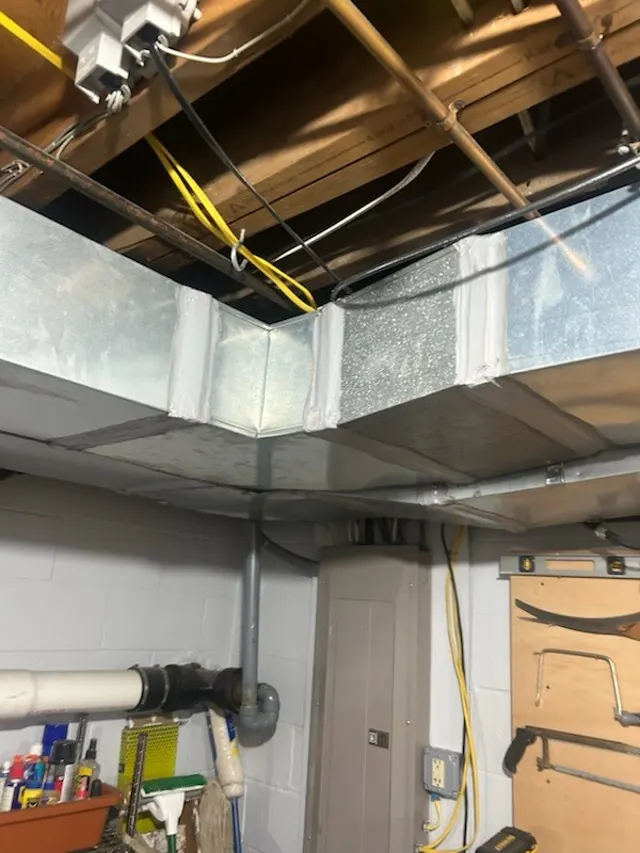
Check your ductwork and outside vent. This is especially important after winter, as any damage to the vent system could let in mold spores, birds, or other pests. Birds in particular can take up residence just inside fan vent openings, compromising your air quality and ventilation system.
Make sure everyone in your household runs the fan for at least 15 minutes after a bath/shower to fully air the room out. Having a fan and not using it invites mold and other moisture problems.
Use windows for longer ventilation periods. It’s typically a good idea to open a window and air out your bathroom a few times a year, usually when the first warm day arrives after winter. This is especially true if you live in a place that sees long and harsh winters—the bathroom window probably hasn’t been opened in months.
Keep shower curtains and liners extended. While you may think that leaving a shower curtain open will allow the shower to air out more thoroughly, folds in the curtain material trap moisture, which leads to mold and mildew growth. Be sure to always leave the shower curtain extended (closed) after you’re done, leaving a small gap to ensure that the fan can still clear out the shower area.
We’d be happy to help clear the air!
Hold a square of toilet paper up to the grille with the fan on. If the fan doesn't hold it, it's not moving enough air.
It shouldn't. Venting into the attic puts moisture right where it causes mold and rot. It should exit through the roof or a wall.
Ventilate, fix leaks quickly, re-caulk tubs and showers, wash bath mats and towels often, and keep humidity down.
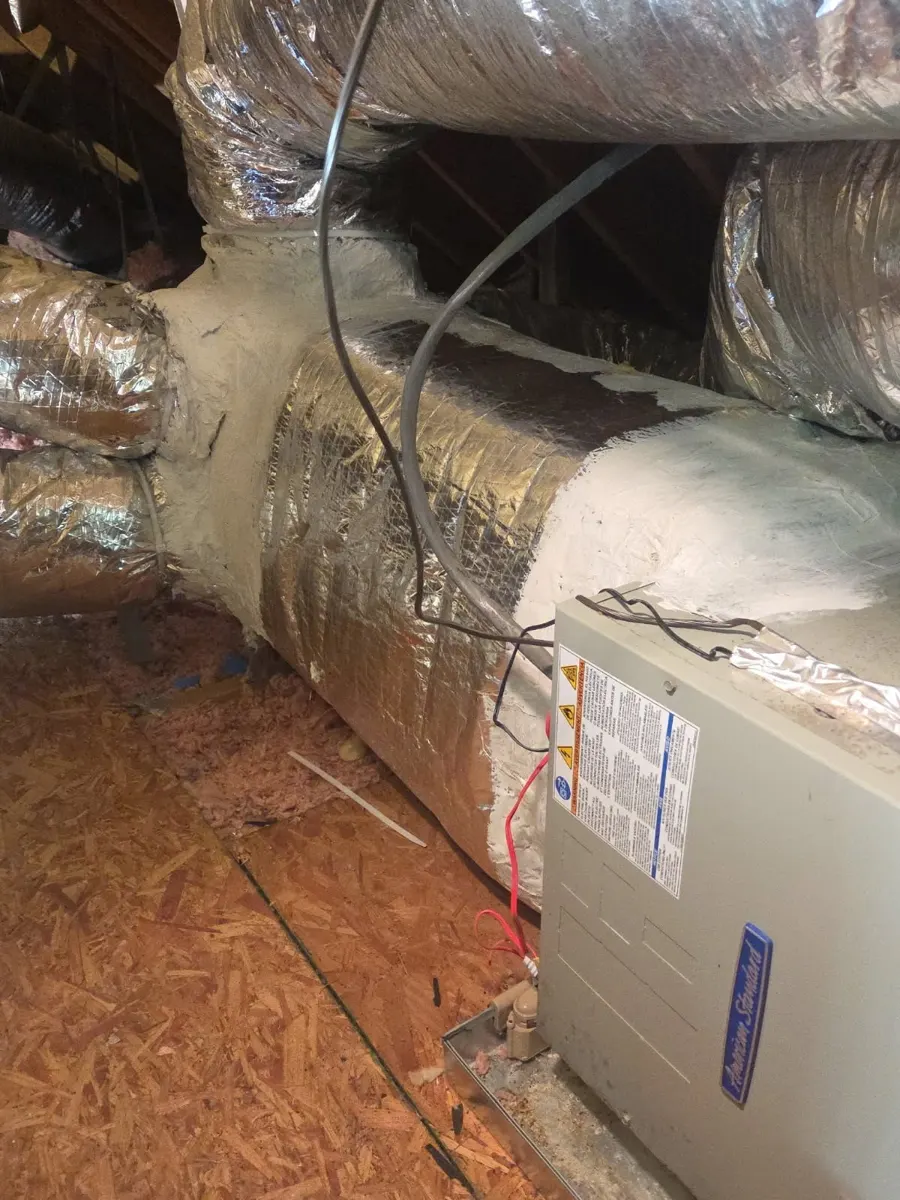
Ventilation swaps stale indoor air for fresh air and pulls out moisture and pollutants. Without enough of it, homes get stuffy, humid…
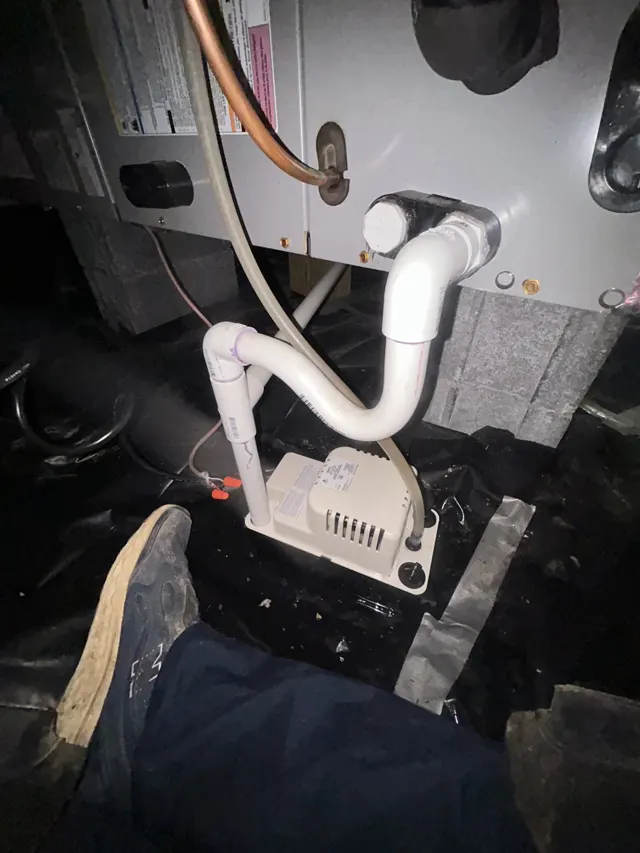
Humid air makes cold pipes and toilet tanks sweat, keeps your AC's condensate drain busy, speeds up corrosion on outdoor equipment and…