5 warning signs your septic system needs attention now
Call for septic service if you have slow drains throughout the house, gurgling pipes, sewage smells inside or out, soggy or extra-green…
Most household septic tanks should be pumped every 3 to 5 years. Bigger households, smaller tanks, a garbage disposal or heavy water use mean more often. Have the tank inspected when it's pumped so baffles, filters and the drain field get checked too.
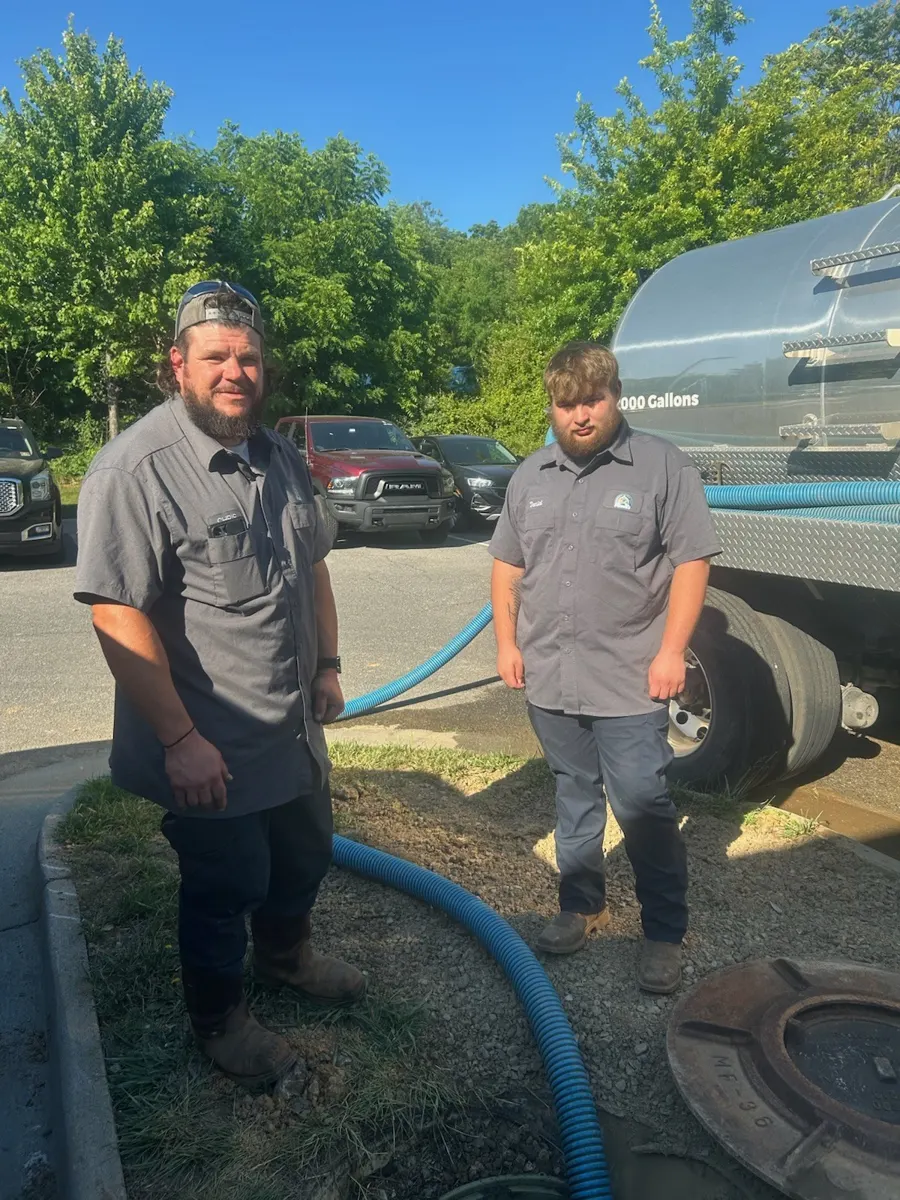
Septic tanks are crucial for homes not connected to municipal sewage systems. They separate and process waste, with liquids flowing into a drain field while solids settle at the bottom. Regular septic tank maintenance, especially pumping, is essential to keep the system running smoothly. But how often does your tank need to be pumped? The answer depends on several factors, including household size, tank size, and water usage habits.
While the general rule is to pump your septic tank every three to five years, several variables determine the exact timeline.
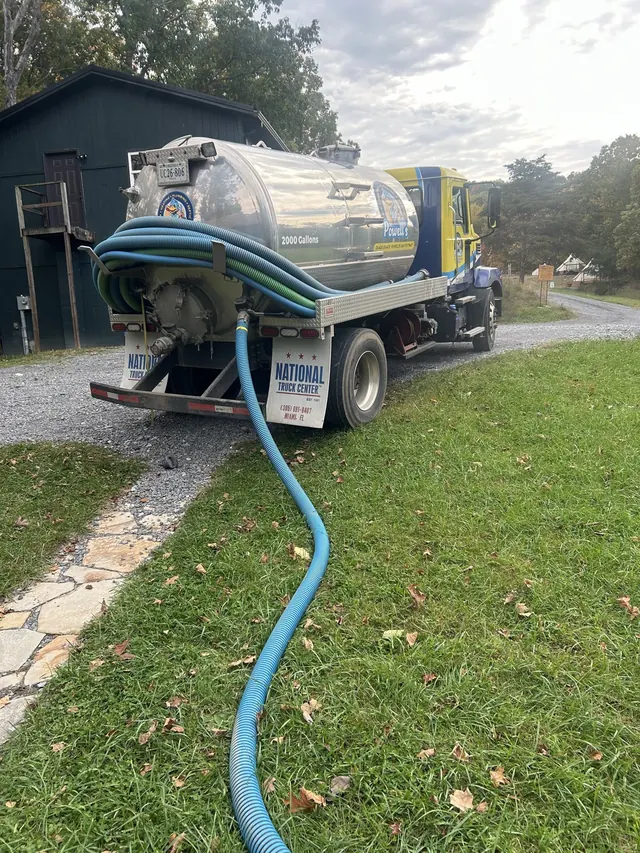
Neglecting septic tank maintenance can lead to serious problems, including backups, unpleasant odors, and even groundwater contamination. As solids accumulate in the tank, its capacity decreases, and waste can overflow into the drain field. When this happens, it can cause expensive damage.
The EPA estimates that about 20% of septic systems in the U.S. experience malfunctions or failures, often due to poor maintenance. Replacing a failed system can cost between $5,000 and $12,000—much higher than the price of routine maintenance.
It’s important to recognize the signs that your septic tank may be full. These include:
If you notice any of these issues, it’s time to contact a professional plumber for an inspection and septic tank pumping services.
Aside from pumping your septic tank regularly, there are a few steps you can take to ensure your system stays in good condition:
Slow drains, gurgling, odors and lush or soggy patches over the drain field are signs it's overdue. The safest plan is a regular schedule.
Yes. Food waste adds solids to the tank, so homes with a disposal often need pumping more often.
No. Additives don't remove the solids that settle in the tank. Only pumping does.
Yes. In low-lying coastal areas like Hampton Roads, high water tables can slow drain fields, so regular pumping and inspection matter even more.
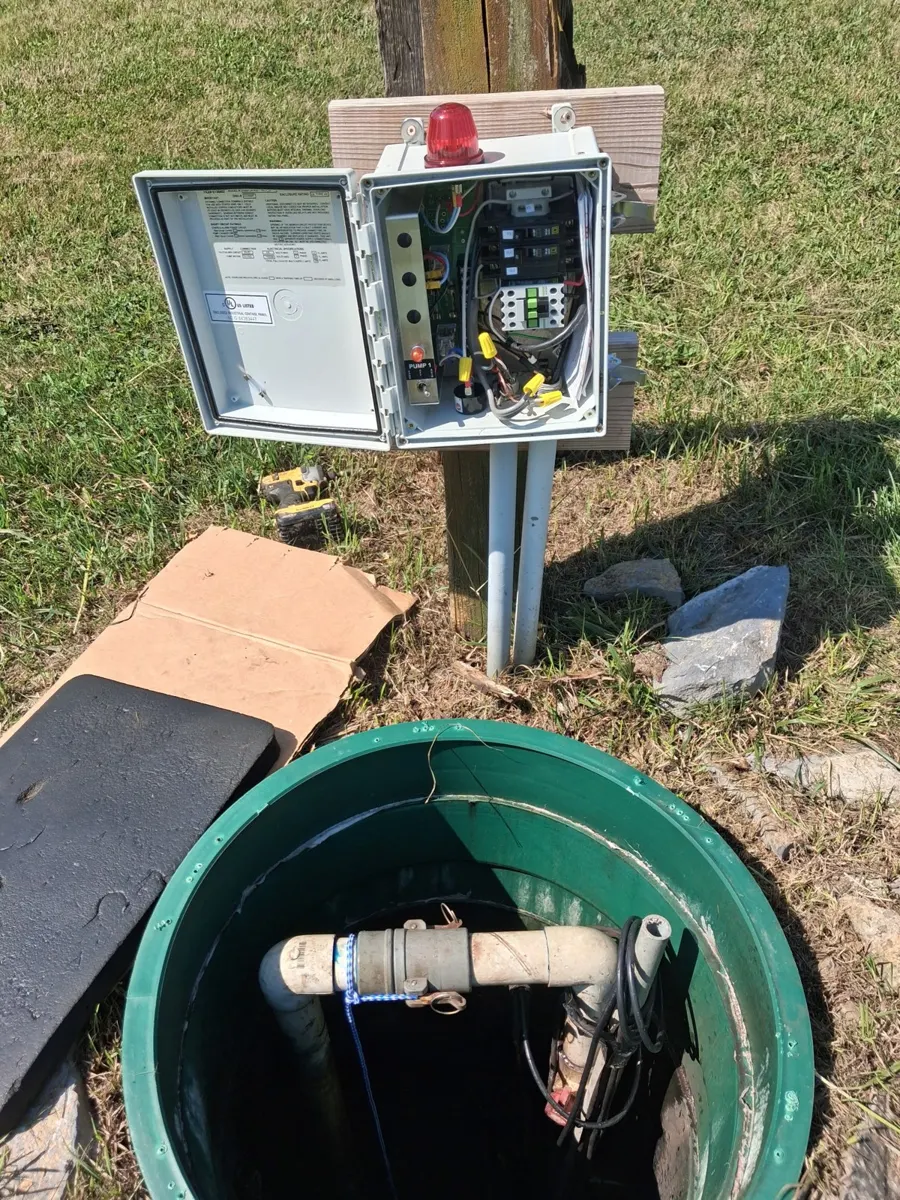
Call for septic service if you have slow drains throughout the house, gurgling pipes, sewage smells inside or out, soggy or extra-green…
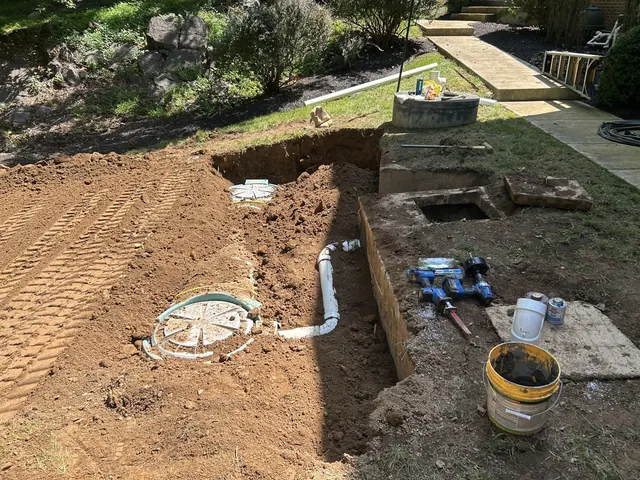
Everything you drain flows into the septic tank. Heavy solids sink to the bottom as sludge, grease floats to the top as…