5 warning signs your septic system needs attention now
Call for septic service if you have slow drains throughout the house, gurgling pipes, sewage smells inside or out, soggy or extra-green…
Everything you drain flows into the septic tank. Heavy solids sink to the bottom as sludge, grease floats to the top as scum, and the middle layer of clearer water flows out to the drain field, where the soil filters it. Bacteria in the tank break down some of the solids, and the rest gets pumped out every few years.
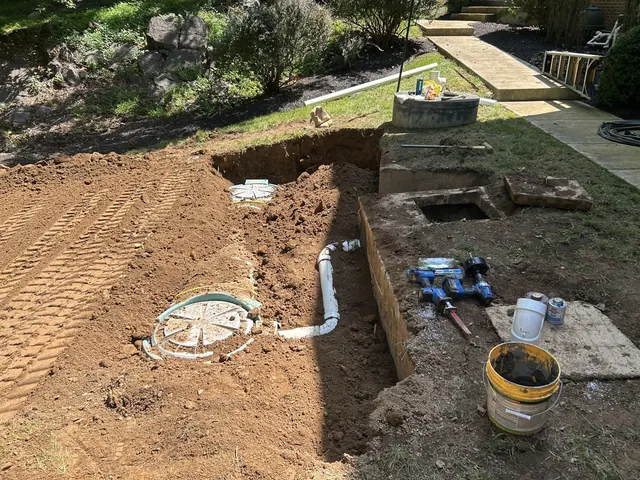
A septic tank is part of a septic system that helps get rid of human waste for homes or properties not connected to municipal sewage systems. The function of the septic tank is to collect untreated waste and separate the solids in that waste from the water.
Additionally, the septic tank stores the solid waste so that it can be decomposed as much as possible. Upon separation the initial wastewater is transferred to a drain field. In the drain field the liquids leach, which means to be absorbed, into the soil and return to nature.
In theory the solids retained in the septic tank should have enough natural bacteria to decompose the solid wastes and turn them into a semi-liquid state. When that takes place they dissolve into the wastewater leaving the septic tank and entering the drainage leach field.
For septic tank systems that have few humans making waste deposits there can be periods when the natural decomposition of solid waste does not continue at a rate fast enough to ensure dissipation into the leaching field. In that situation there are probiotic type additives that can help restart the septic tank and over all waste treatment system.
Until the 1960s rural Americans knew that when you built a septic tank and leach field it was necessary to help give the system a kick start. To do that rural Americans knew a good way was to throw a dead chicken or other type of fowl, after removing feathers, into the septic tank. The decomposition of the fowl almost always got the septic system off to a very good start.
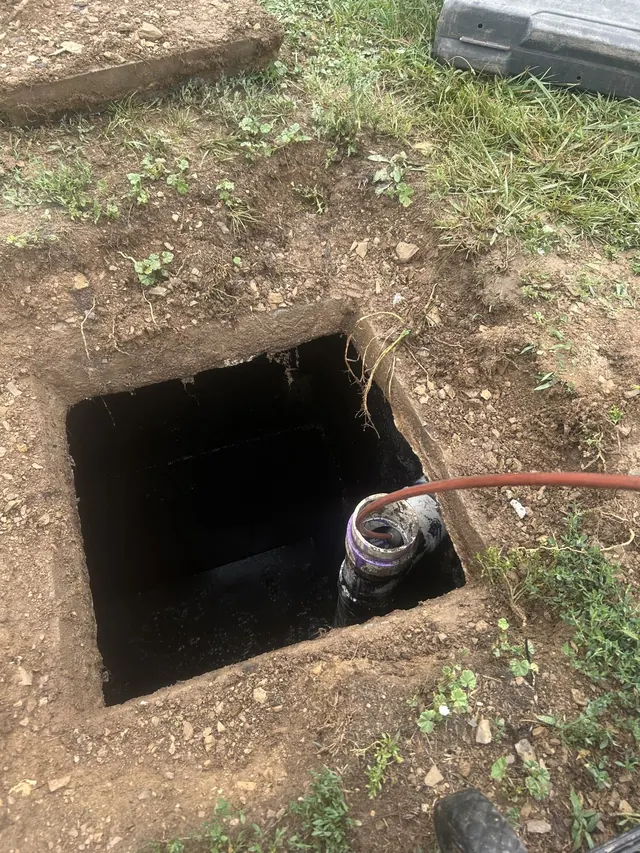
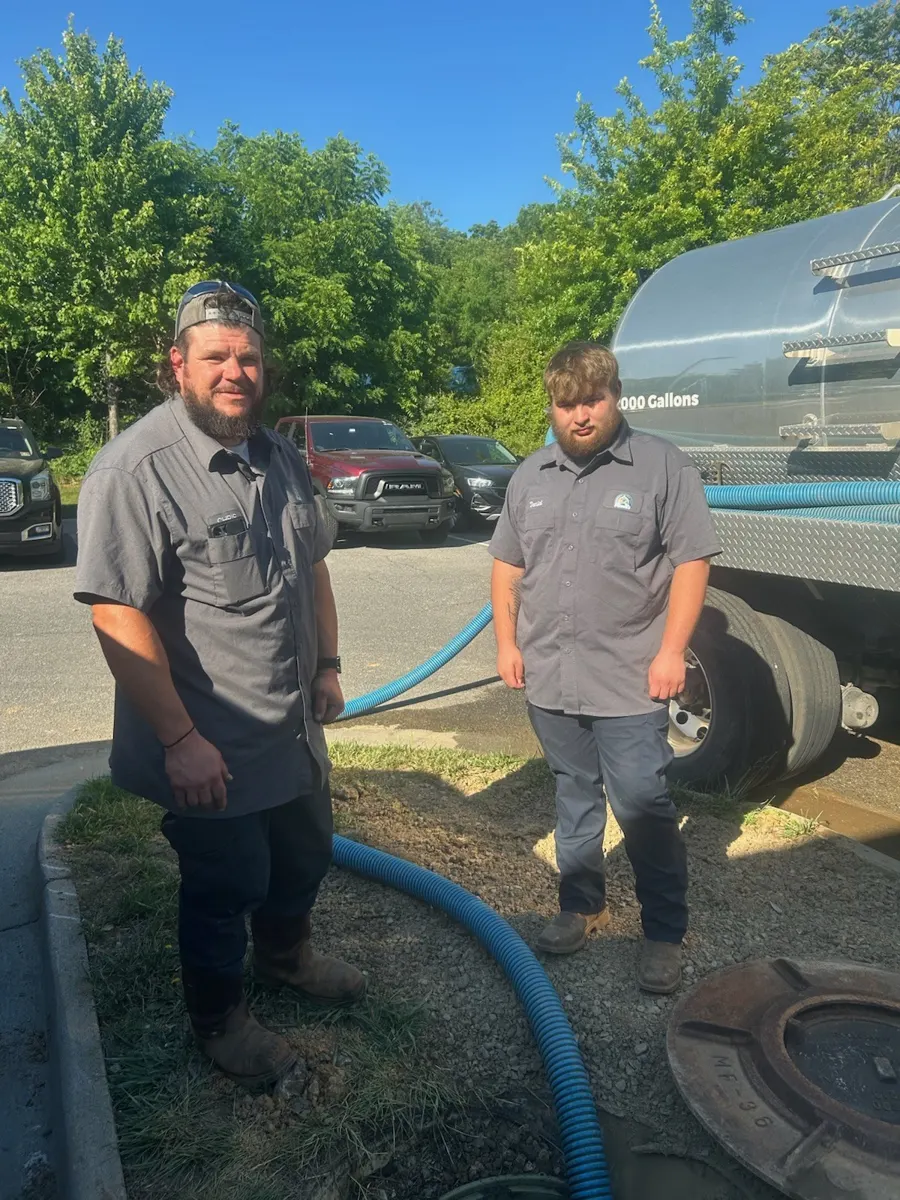
What goes into the septic system has a big impact on the rate of decomposition. When people using the system treat their toilets as a trashcan there can be serious problems. For this reason, most septic tanks have a hatch, or opening, made of heavy cement. This can be removed so that a special truck with high volume suction ability can empty the septic tank. This gives the septic system a change to restart handling human waste as it was designed to do in the first place.
A set of perforated pipes in gravel trenches under your yard. It spreads the water from the tank so the soil can filter it.
Walls or tees at the tank's inlet and outlet that keep scum and solids from flowing out to the drain field.
A well-maintained system often lasts 20 to 40 years. Tanks can last longer than drain fields.
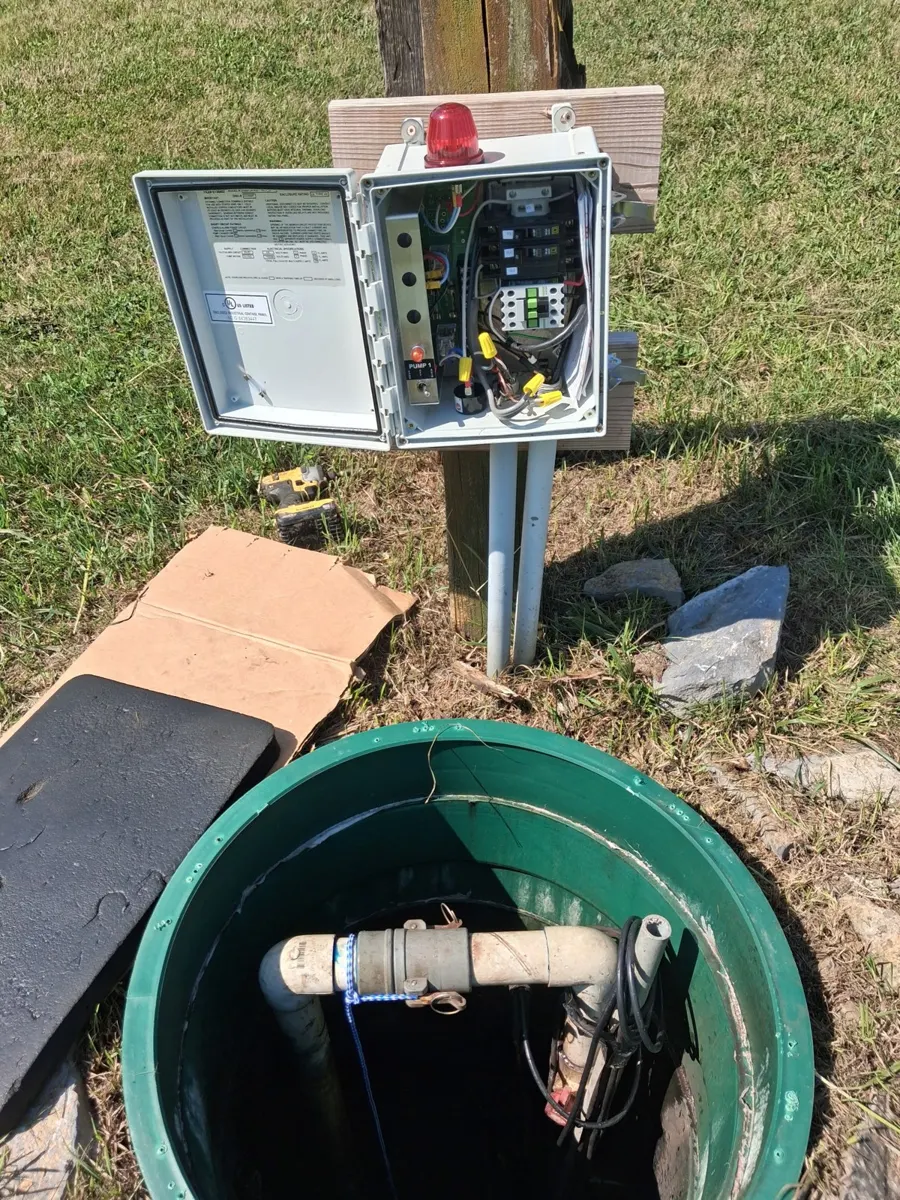
Call for septic service if you have slow drains throughout the house, gurgling pipes, sewage smells inside or out, soggy or extra-green…
Most household septic tanks should be pumped every 3 to 5 years. Bigger households, smaller tanks, a garbage disposal or heavy water…