A short history of plumbing in older homes
Indoor plumbing was rare until the mid-1800s. Big water systems like New York's Croton Aqueduct (1842) made it possible, and separate indoor…
A sweating toilet is condensation: warm, humid air hits the cold tank and water beads up. To stop it, lower the humidity (run the exhaust fan or a dehumidifier), insulate the tank with a liner, or have a plumber install an anti-sweat (mixing) valve that warms the water filling the tank.
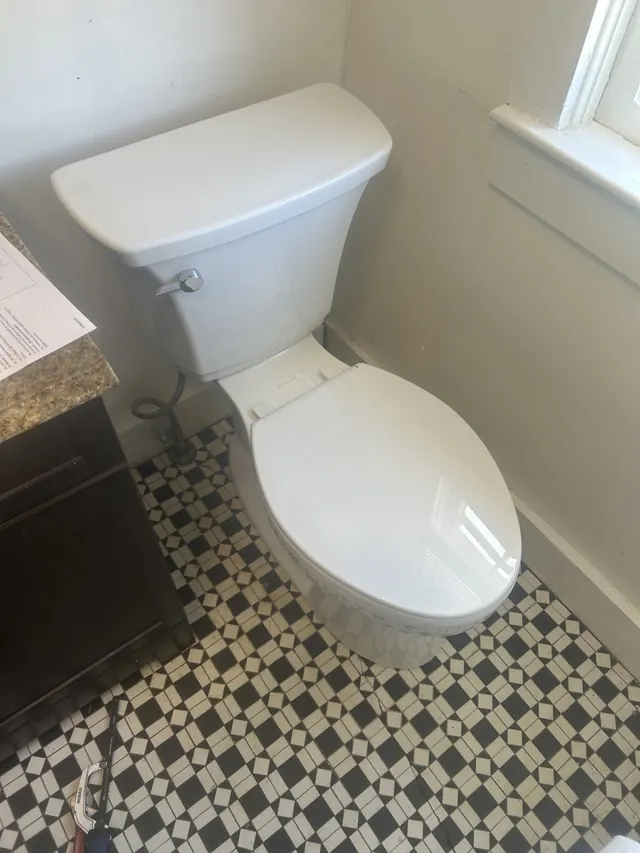
Toilet tank condensation, commonly referred to as toilet sweating, is a pesky problem that can cause water damage, create an environment prone to mold and mildew, and generally make your bathroom a less pleasant place. This issue occurs when the humid air in the bathroom comes into contact with the cold surface of the toilet tank, causing water to condense and drip down. In this blog, we’ll discuss six ways to stop your toilet from sweating and prevent toilet tank condensation.
Toilet tank condensation typically happens in the summer when warm, humid air meets the cold surface of the toilet tank. This is similar to how a cold drink sweats on a hot day. The difference in temperature causes moisture in the air to condense on the cooler surface.
Even after implementing these solutions, ongoing maintenance is crucial to keep your bathroom free of excess moisture and mold.
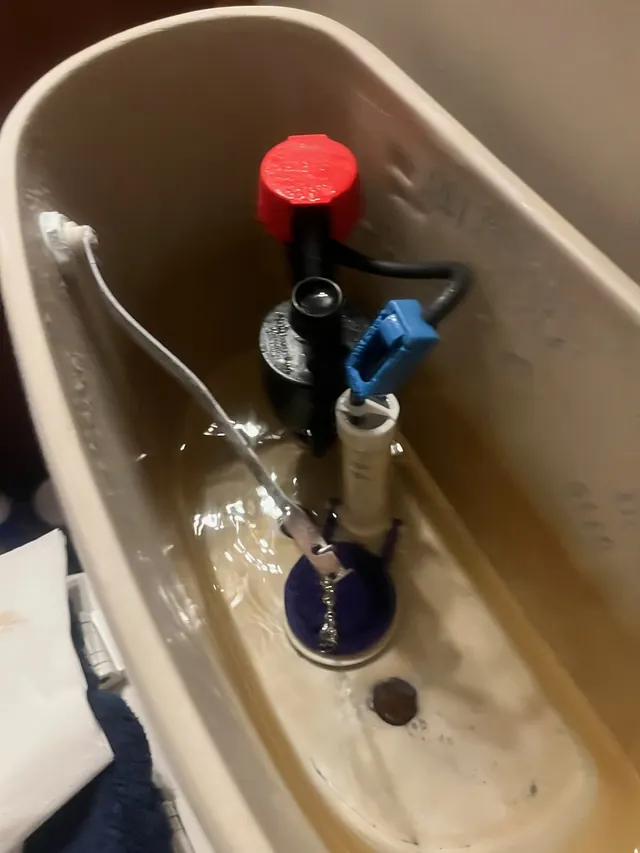
Toilet tank condensation is a common issue that can lead to more significant problems if not addressed. By understanding the causes and implementing the solutions outlined above, you can keep your bathroom dry, reduce the risk of mold and mildew, and maintain a more pleasant environment. Whether you opt for a toilet tank liner, anti-condensation paint, a mixing valve, or humidity control measures, taking action will help you stop your toilet from sweating and prevent the associated issues. Remember, the key is to reduce the temperature difference between the water in the tank and the surrounding air, and to control the humidity in your bathroom.
Cold water in the tank makes the outside of the tank colder than the air. When warm, humid air touches it, the moisture condenses into droplets. It's worst in summer.
No, but it can look like one. Dry the tank and floor, then put a few drops of food coloring in the tank. If color shows up in the bowl or on the floor, you have a leak too.
Run the bathroom fan during and after showers, use a dehumidifier, add a foam tank liner, or install an anti-sweat valve. A running toilet makes sweating worse, so fix the flapper too.
Yes. Constant drips can rot the subfloor, loosen tile and grow mold around the base. Put a towel or drip tray down until it's fixed.
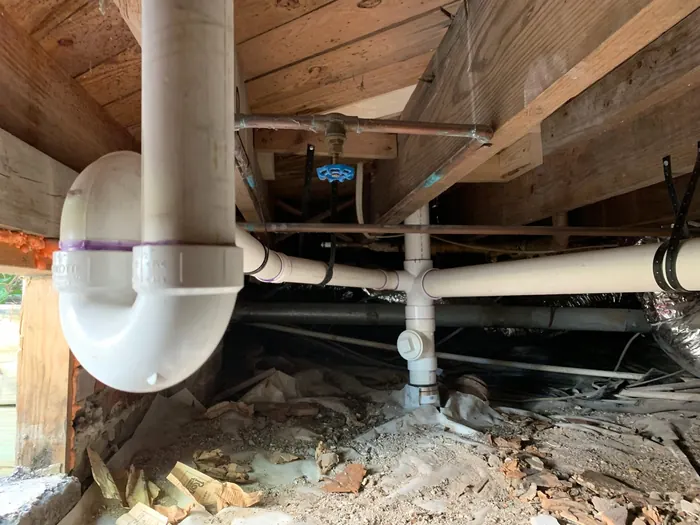
Indoor plumbing was rare until the mid-1800s. Big water systems like New York's Croton Aqueduct (1842) made it possible, and separate indoor…
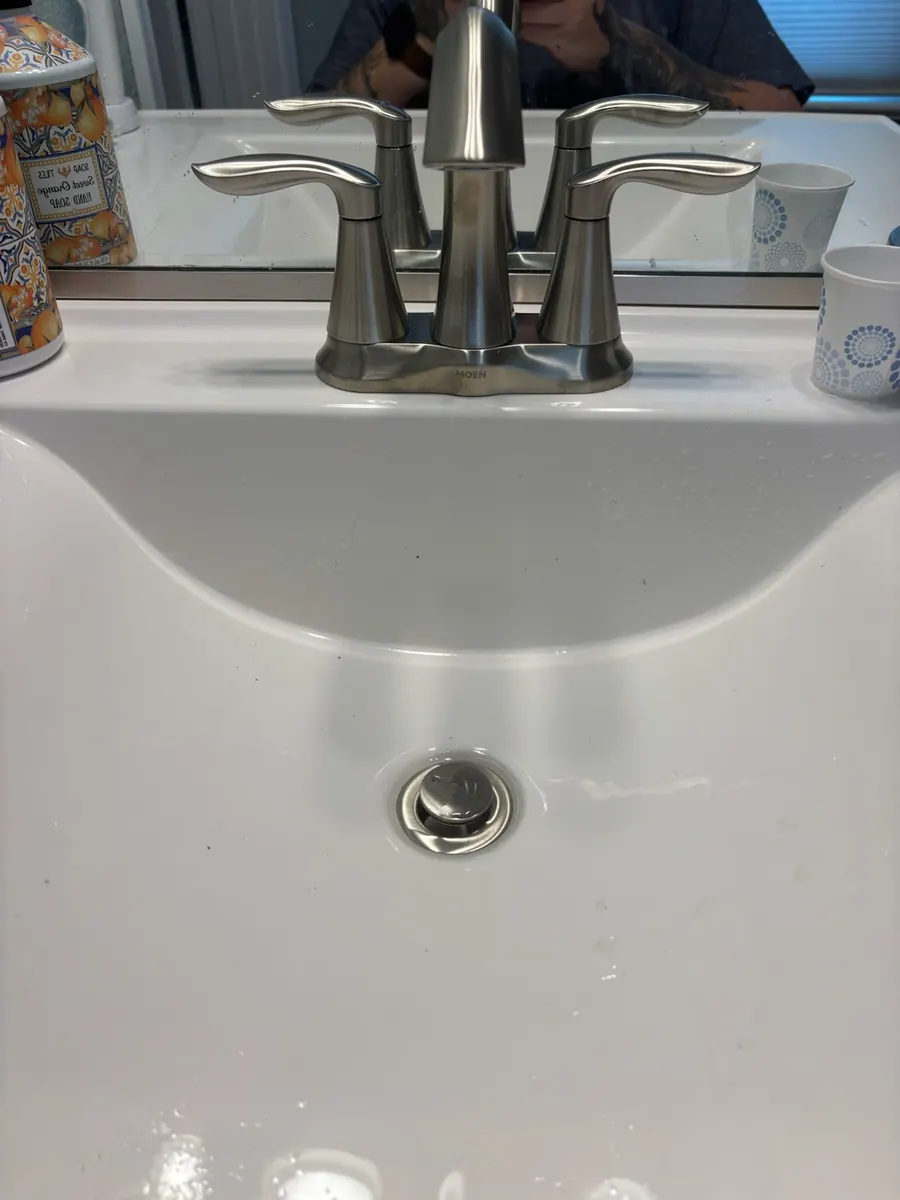
Pick a fixture brand for build quality, warranty and how easy it is to get parts. Well-known brands like Kohler, Delta, Moen,…