
6 ways to stop your toilet from sweating
A sweating toilet is condensation: warm, humid air hits the cold tank and water beads up. To stop it, lower the humidity…
Indoor plumbing was rare until the mid-1800s. Big water systems like New York's Croton Aqueduct (1842) made it possible, and separate indoor bathrooms showed up in new homes in the 1850s. Early pipes were made of wood, lead and cast iron. Many older homes in our area still have some of that history behind the walls.
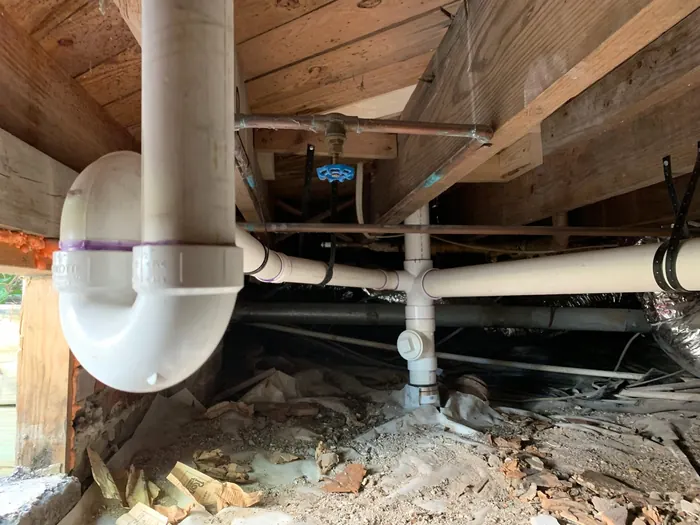
The origins of the first plumbing systems can be traced back to ancient civilizations where copper tubing has been found amongst ruins of palaces and temples. However, in the US, the modern convenience of having flushing toilets and running indoor water is a relatively new technology.
Up until the early 1900s, hollowed wooden logs were still being used to transport water.
Let’s take a look at a few highlights from the plumbing history of Northeastern America during the 1800s.
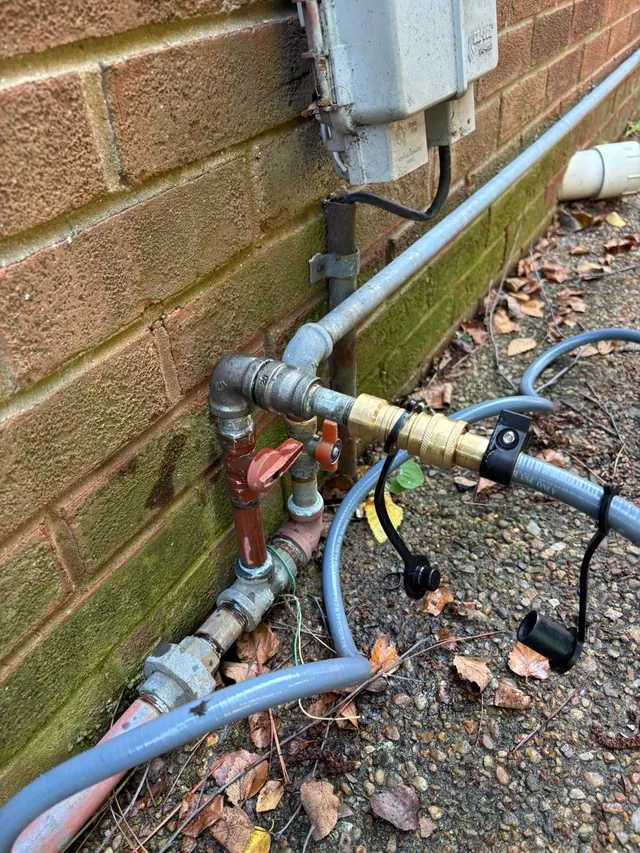
The early 1800s was really a time when civilians began to realize the health hazards associated with poor sanitary conditions. They knew that exposure to sewage could transmit diseases; however, the systems were not yet in place to carry away waste water and sewage in an efficient manner.
In fact, indoor plumbing was considered a luxury during the early 1840s. In 1829, the Tremont Hotel of Boston became the first hotel to install indoor plumbing. This was met with much excitement as only the wealthiest homes and businesses could afford this luxury.
The Croton Aqueduct System of New York changed the way people received clean water. Previously, most people retrieved their own water from cisterns, wells and natural bodies of water. However, the booming population in Manhattan created pollution that affected waterways and clean water became harder to come by.
When the aqueduct system was completed in 1842, Manhattanites received fresh water supply from the Croton River, which was about 40 miles away. Now people enjoyed running water from the comfort of their homes.
Sometime between the years 1845 to 1850, builders figured out a way to carry away waste water and sewage. Now all the systems were in place to enable indoor bathrooms.
If homeowners had the luxury of having an unused bedroom, it became fashionable to convert it to a separate indoor bathroom (much more preferable than the outhouses most people used during this time).
Starting in the mid 1850s, all new homes were built with separate indoor bathrooms to satisfy the growing demand. Now all homeowners could bathe and use the toilet within the comfort of their home.
Many plumbing systems and aqueducts used hollowed out tree logs as pipes to transport clean water and carry away waste water. These tree logs were reinforced with metal wiring to strengthen the integrity of the structure.
Wooden logs were often used to connect to city mains for use in fighting fires. Metal tubing wasn’t widely used for plumbing in the US until the 1960s.
Wealthy city homes had it by the mid-1800s. Many rural homes didn't get indoor bathrooms until the 1930s to 1950s.
Depending on age: cast iron and clay drains, galvanized steel water lines, and sometimes lead service lines. Copper became common after World War II.
Not always. Have them inspected. Galvanized water lines and any lead pipe are usually worth replacing. Cast iron drains can last a long time if they're in good shape.
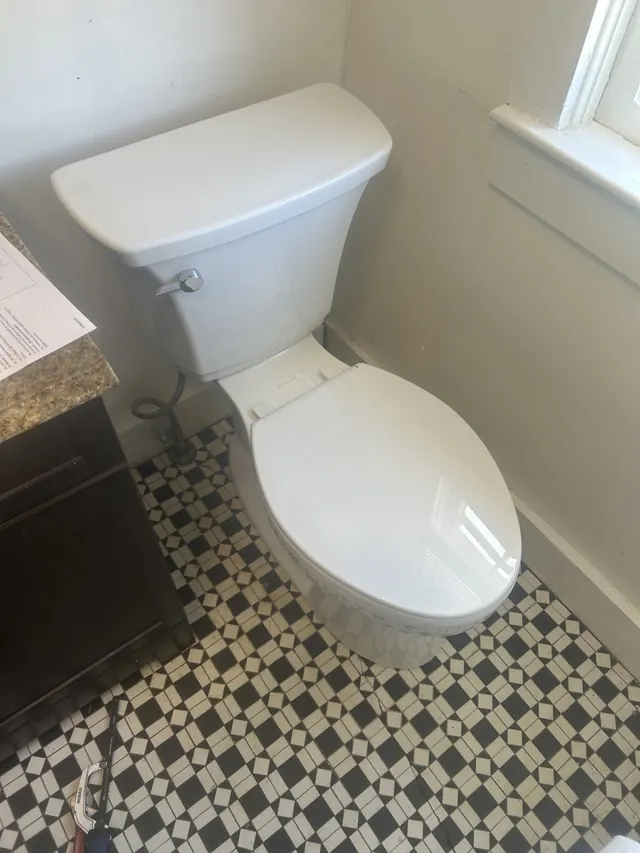
A sweating toilet is condensation: warm, humid air hits the cold tank and water beads up. To stop it, lower the humidity…
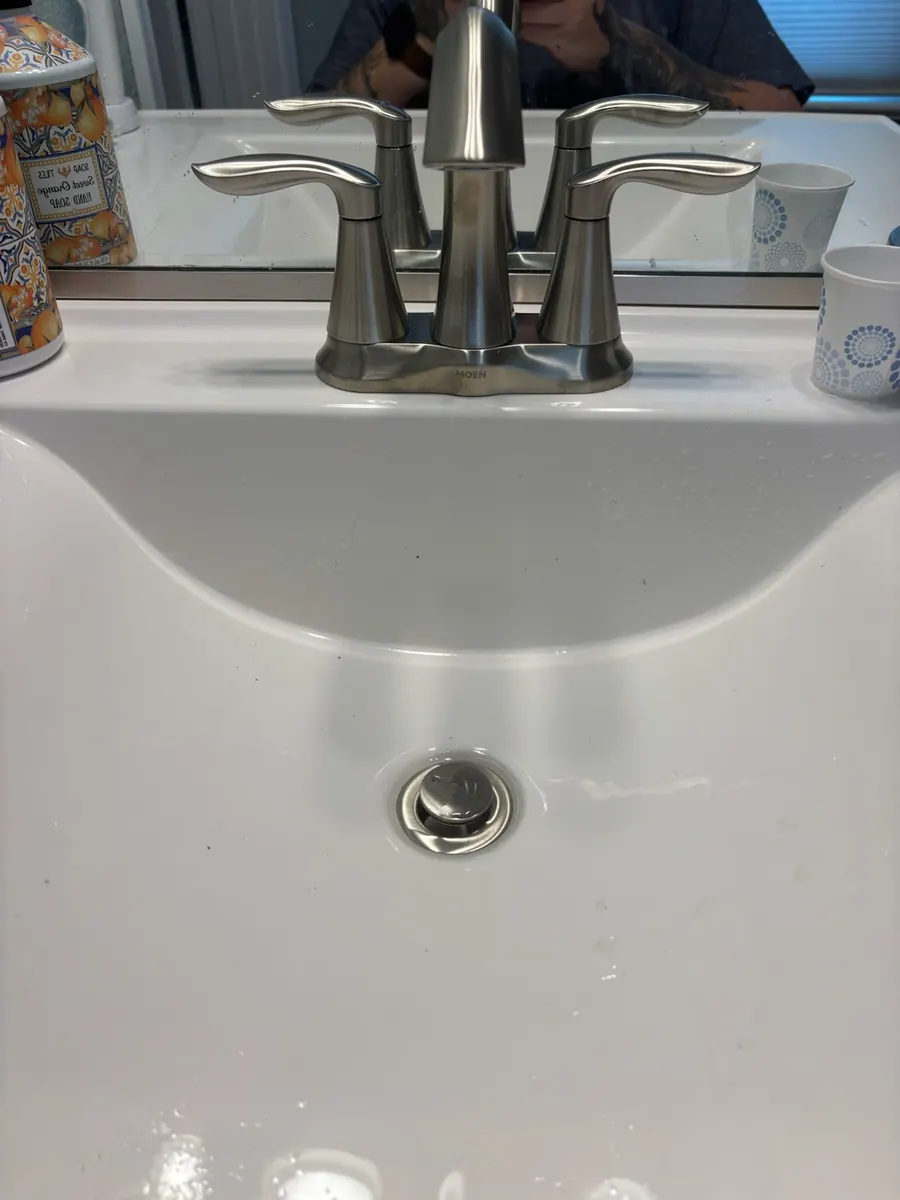
Pick a fixture brand for build quality, warranty and how easy it is to get parts. Well-known brands like Kohler, Delta, Moen,…