Getting a plumbing permit: when you need one and why it helps
You usually need a plumbing permit to add or move fixtures, change drain or vent piping, replace a water heater, add a…
Backflow is when water flows backward into your clean water supply, pulling in contaminants. It's usually caused by a pressure drop, like a water main break or firefighters drawing water. Devices such as vacuum breakers, double check valves and reduced pressure zone (RPZ) assemblies stop it. Many need yearly testing by a certified tester.
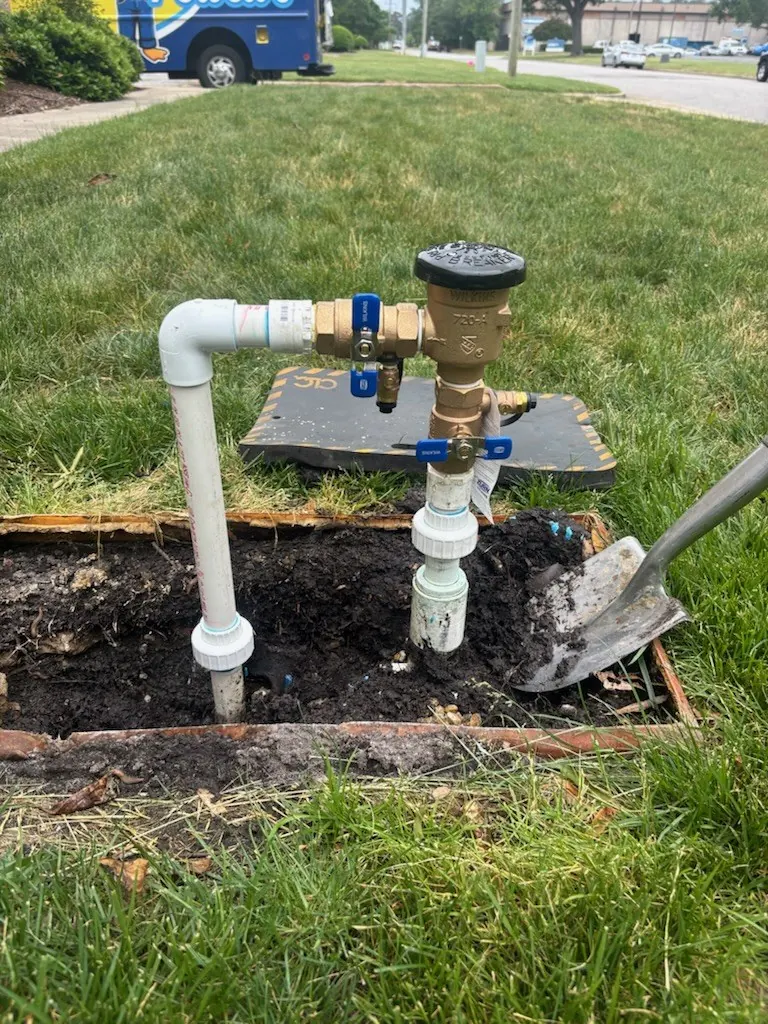
While some homeowners have never heard of backflow, it’s one of the more serious plumbing issues you’d rather not hear about, to begin with. Backflow is the reversal of the flow of water in your plumbing system.
Instead of water flowing away from your home, it flows back in, bringing contaminants and waste into your water supply and putting your family at risk.
Unlike other plumbing issues that are sometimes inevitable, backflow issues can easily be prevented by installing a prevention device in your home. There are plenty of options and we’ll discuss some of the right plumbing solutions to backflow.
Backflow is essentially the large-scale reversal in the flow of water in your home. In order for this to happen, it generally stems from a large scale issue. Some of the main reasons include:
Because you can’t determine whether there’s a backflow issue until it happens, the right plumbing practice is to have a backflow prevention device in place instead.
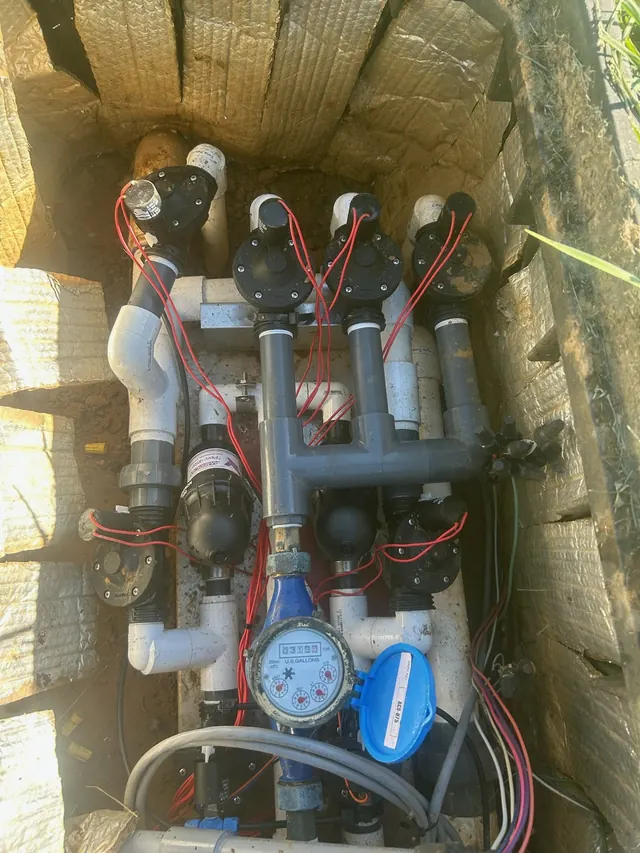
An air gap is either a built-in air pocket that is standard in your plumbing fixtures or an additional device that can be installed on your plumbing.
During normal operation, your plumbing system has enough water pressure to move water through the gap and into your fixtures. When that pressure is lower than normal, the flow is unable to pass, preventing back siphonage into your plumbing.
These devices help water keep going in the right direction and are always found in fixtures like kitchen sinks and faucets. The only restriction as a backflow device is that it’s limited to that specific fixture as opposed to the plumbing system as a whole.
On the higher end of backflow prevention devices are pressure vacuum breakers. These devices work like a check valve and are installed on your water mains – giving you a whole-home backflow solution.
These pressurized and mechanical devices work as a spring-operated check valve for your plumbing. With normal water pressure, the spring is held open allowing water to flow freely.
When the pressure drops, the spring expands, becoming a plug for your home’s plumbing. This restricts the flow completely, giving a plumber the chance to resolve the plumbing emergency before it affects your water supply.
There are always going to be options when it comes to dealing with a backflow emergency.
Air gaps, PVB’s, reduced pressure zones, and other check valves. The only constant is the need for a trained plumber.
It’s important to work with a plumber that understands your system and how to set viable home-cleaning goals. Whether that’s drain cleaning or installing a backflow preventer and testing it regularly.
Back-siphonage from a drop in supply pressure, or back-pressure when the pressure in your system is higher than the supply.
It depends on the hazard. Irrigation systems, boilers, fire sprinklers and commercial kitchens each have specific requirements set by your water utility.
Usually once a year, and after installation or repair. Your water utility sets the rules.
You usually need a plumbing permit to add or move fixtures, change drain or vent piping, replace a water heater, add a…
Put your building on a schedule: jet main drains and kitchen lines, pump grease traps on time, test backflow preventers every year,…