Backflow prevention devices plumbers recommend
Backflow is when water flows backward into your clean water supply, pulling in contaminants. It's usually caused by a pressure drop, like…
Put your building on a schedule: jet main drains and kitchen lines, pump grease traps on time, test backflow preventers every year, flush and inspect water heaters, and walk the building for leaks and running fixtures. Planned maintenance costs far less than a shutdown during business hours.
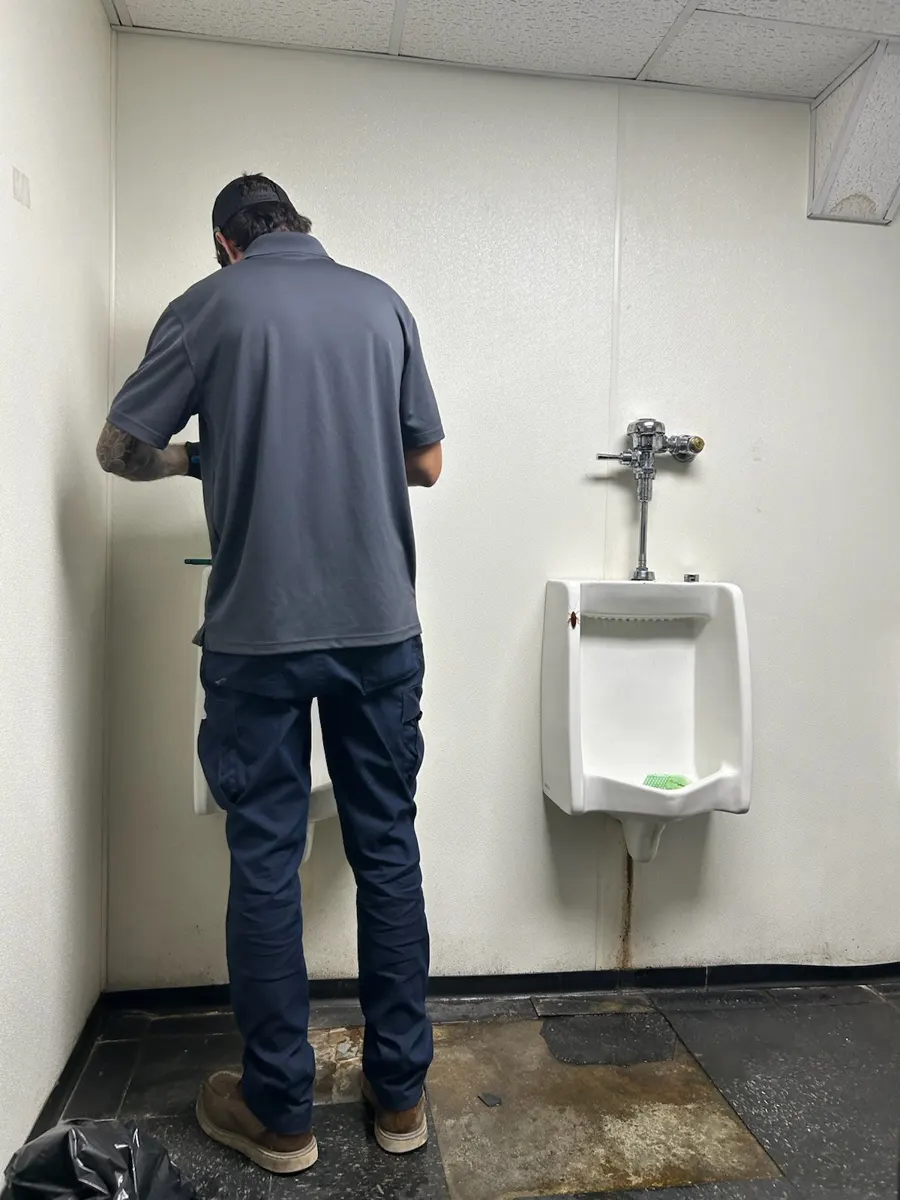
For a building owner or manager, plumbing problems rarely show up at a convenient time. A backed-up kitchen drain on a Friday night or a burst line in a tenant's space can mean lost business, unhappy tenants and expensive cleanup. A simple preventive maintenance plan catches most of these problems early.
Main drains, kitchen lines and floor drains collect grease, food, paper and scale over time. Scheduled hydro jetting scours the pipe walls clean so clogs don't build back up as quickly. A camera inspection every few years shows roots, cracks or sagging pipe before they become a backup.
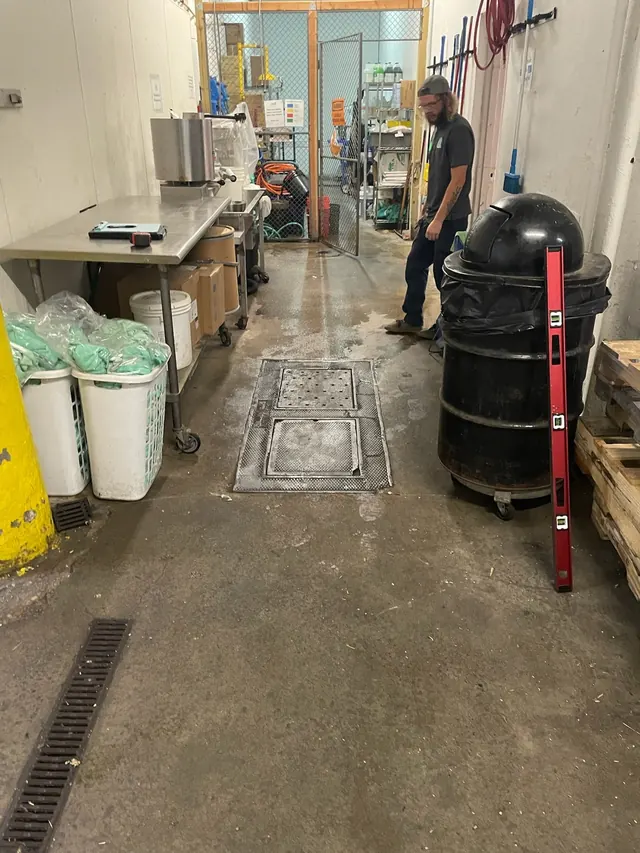
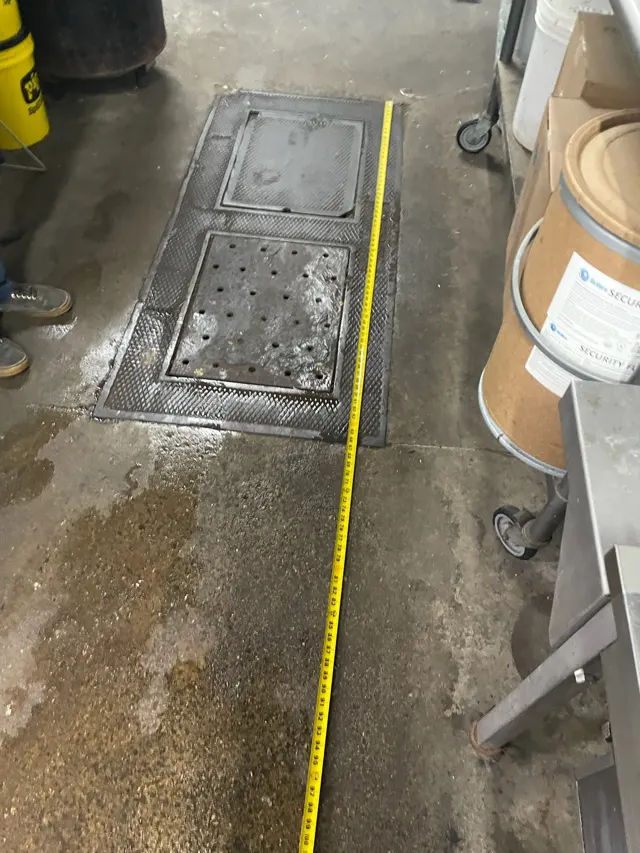
Restaurants and food service spaces need grease traps and interceptors pumped on a regular schedule, often set by local rules. Waiting too long sends grease into the sewer line, where it hardens into blockages that are hard and expensive to clear.
Backflow preventers protect the public water supply from contamination. Most water utilities require commercial devices to be tested by a certified tester every year, with results filed on time. A failed test is usually a simple repair if it's caught early.
Commercial water heaters work hard. Flush them to clear sediment, test the relief valves, check the anode rods and look for leaks. A failed water heater can shut down a kitchen, a salon or a whole building's restrooms.
Scheduling maintenance before opening, after closing or on slow days keeps your business running while the work gets done. Keep a simple log of what was done and when, so nothing gets missed.
It depends on use. Restaurants often need kitchen lines jetted every few months. Offices may need it yearly.
In most places, yes. Backflow preventers on commercial buildings usually need a certified test every year.
Yes. Call your branch to set up a schedule that fits your building and business hours.
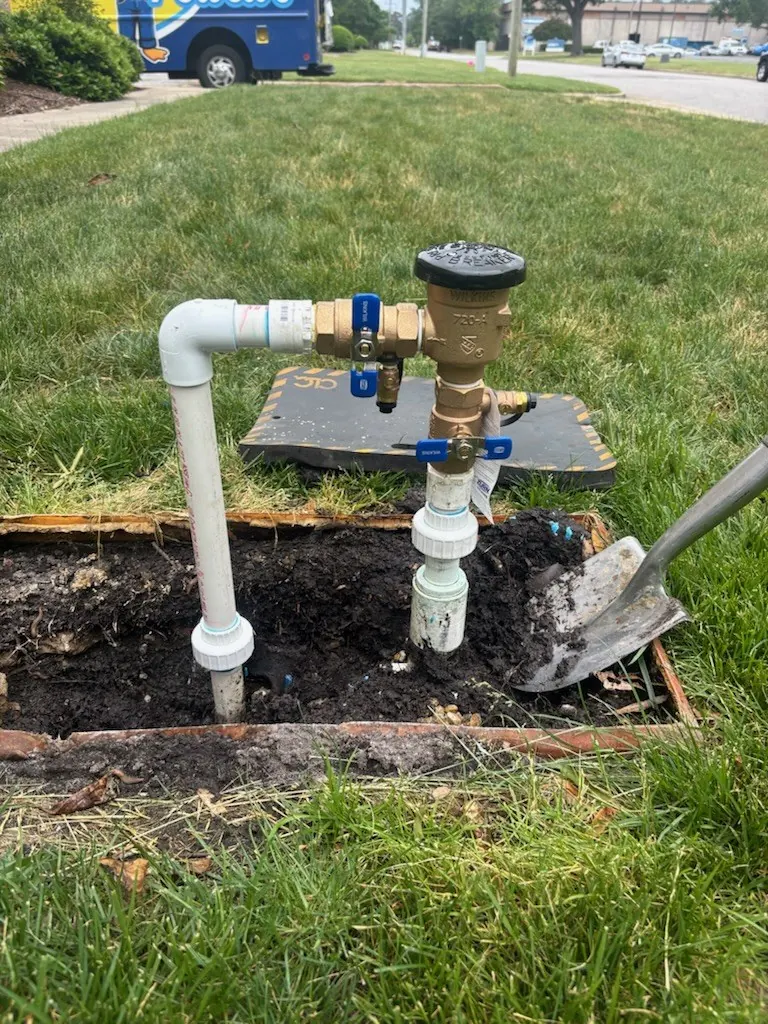
Backflow is when water flows backward into your clean water supply, pulling in contaminants. It's usually caused by a pressure drop, like…
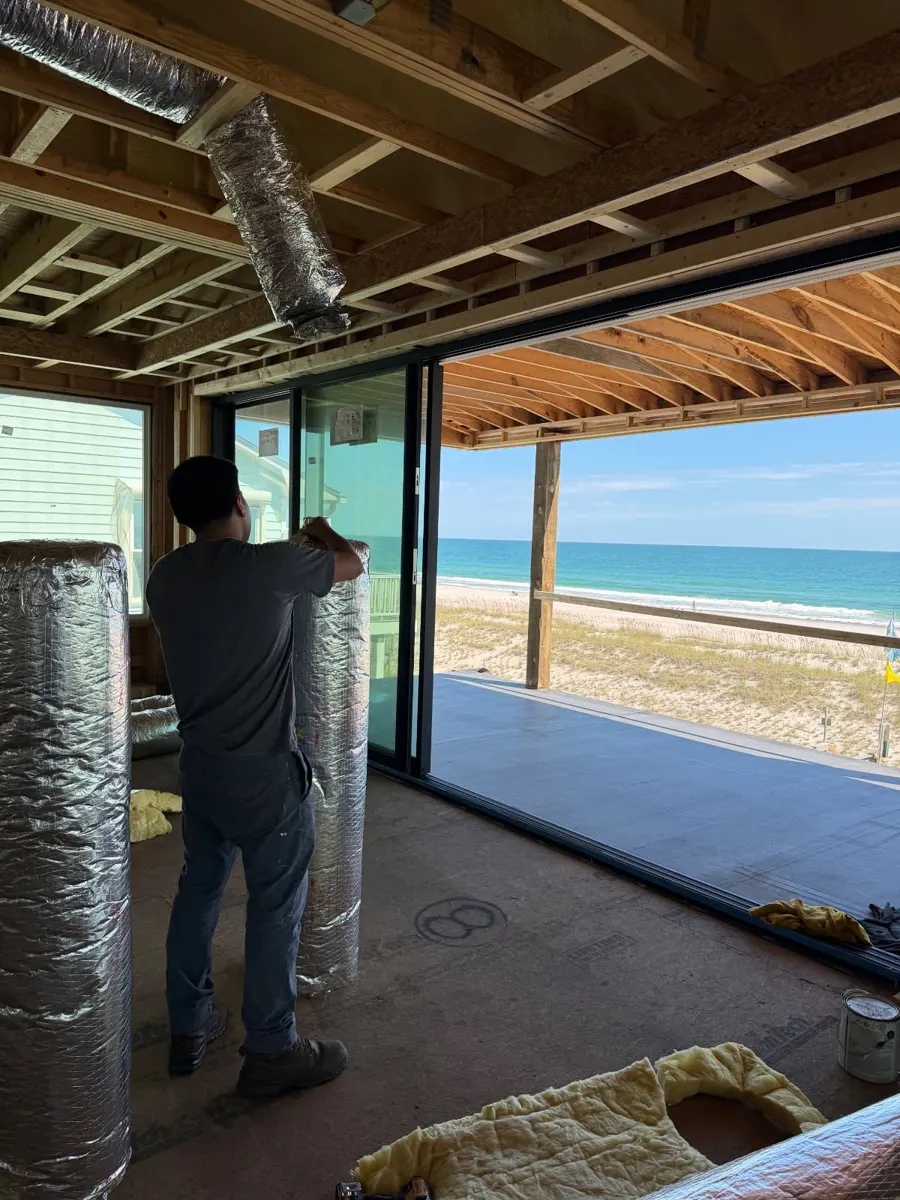
You usually need a plumbing permit to add or move fixtures, change drain or vent piping, replace a water heater, add a…