
Reverse osmosis vs. deionized water filtration: which is better?
Reverse osmosis pushes water through a very fine membrane that removes most dissolved solids, lead, many chemicals and microbes. Deionization swaps out…
A water softener removes the calcium and magnesium that make water hard. That means less scale on faucets and shower glass, longer life for your water heater and appliances, softer skin and hair, and less soap and detergent. The trade-offs are the upfront cost, salt refills and a slightly higher sodium content in the water.
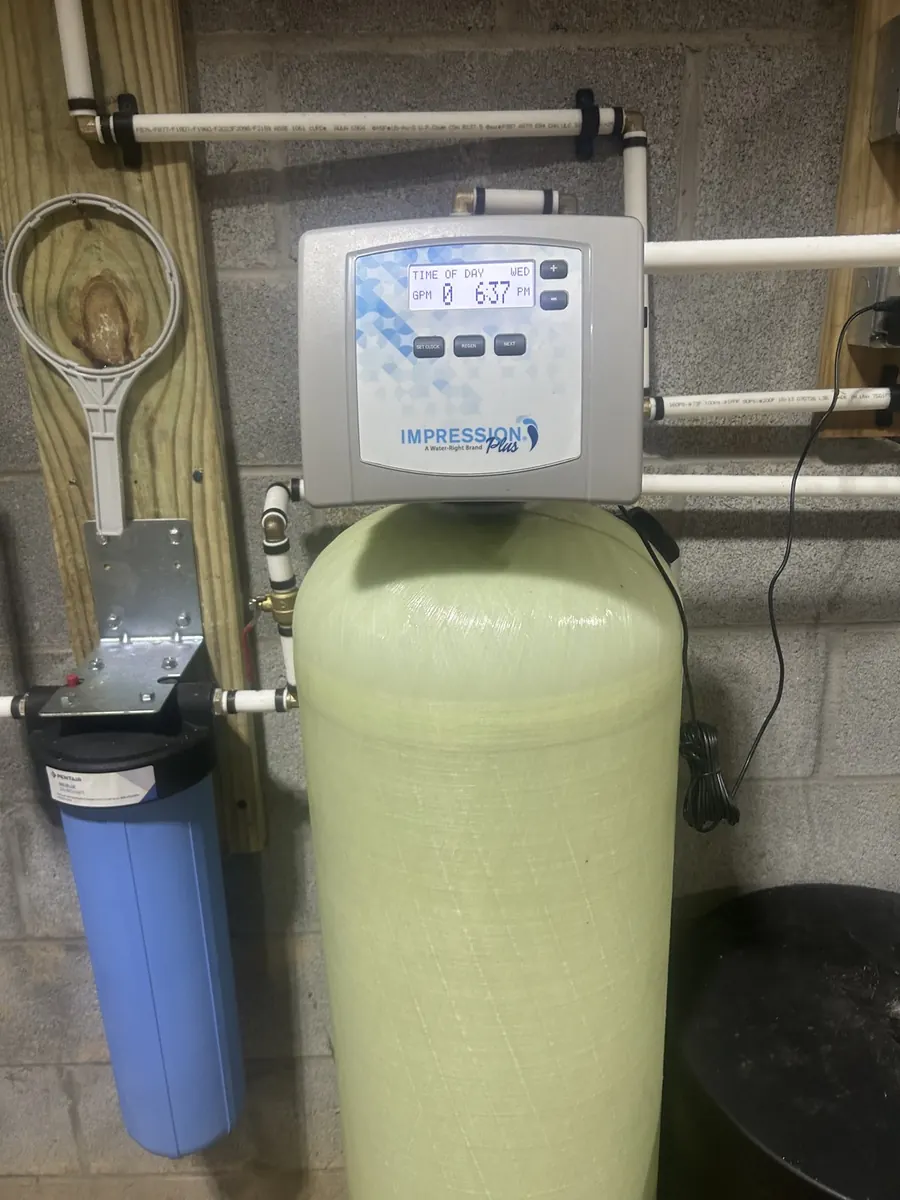
Essentially, hard water is water that contains traces of mineral salts such as calcium and magnesium ions, that limit the formation of lather with soap. This water is typically safe to use; however, there are many potential problems that can result from heavy hard water use.
The benefits that a water softener produce are seemingly limitless. Firstly, soft water rinses soap residue better than hard water. It leaves your clothes, dishes, hair, and skin feeling cleaner. Soft water can also save you money on soap and detergent because you generally use less for cleaning. Hard water minerals tend to build up inside of appliances; this inevitably shortens their intended lifespan. A water softener system extends the life of your home appliances by years. Lastly, hot water heaters usually have to work harder to adequately heat hard water. Using a water softener improves efficiency anywhere from 20 to 30 percent.
Neglecting to use a water softener system could prove to have more results than you realize. Your clothes and dishes are more predominantly exposed. Hard water can create white spots and streaks in time, decreasing their value. Prolonged use of hard water is potentially dangerous to your home’s plumbing system. Hard water tends to leave mineral deposits in the plumbing fixtures and pipes, and when these build up, they begin to corrode and clog the system; as well as that, hard water costs you more money to use each month than soft water.
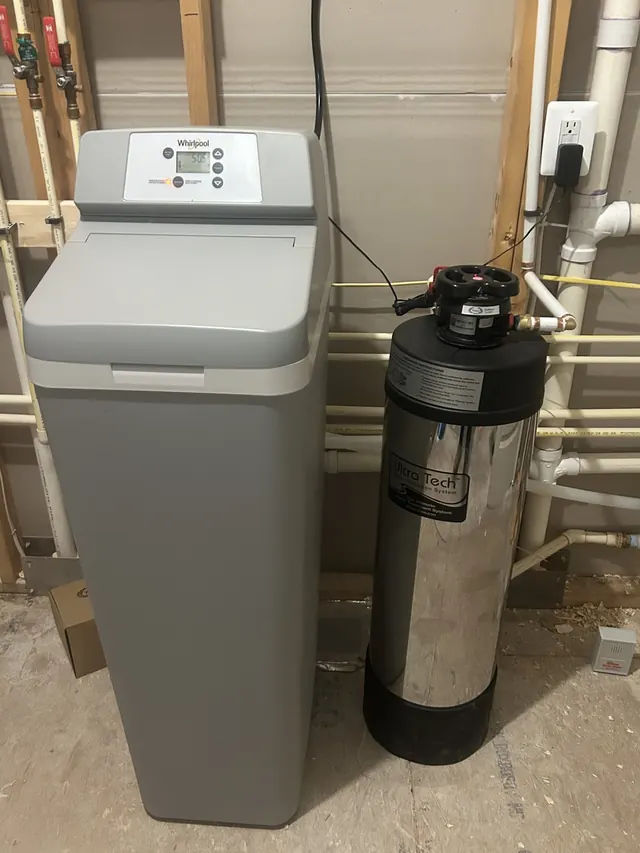
White crust on faucets and shower heads, spots on dishes, soap that won't lather and stiff laundry are the usual signs. A simple water test confirms it.
Water passes through resin beads that trade calcium and magnesium for sodium or potassium. The system rinses and recharges the resin on a schedule.
Soak shower heads and aerators in white vinegar overnight, and wipe faucets with a vinegar-soaked cloth. A softener keeps it from coming back.
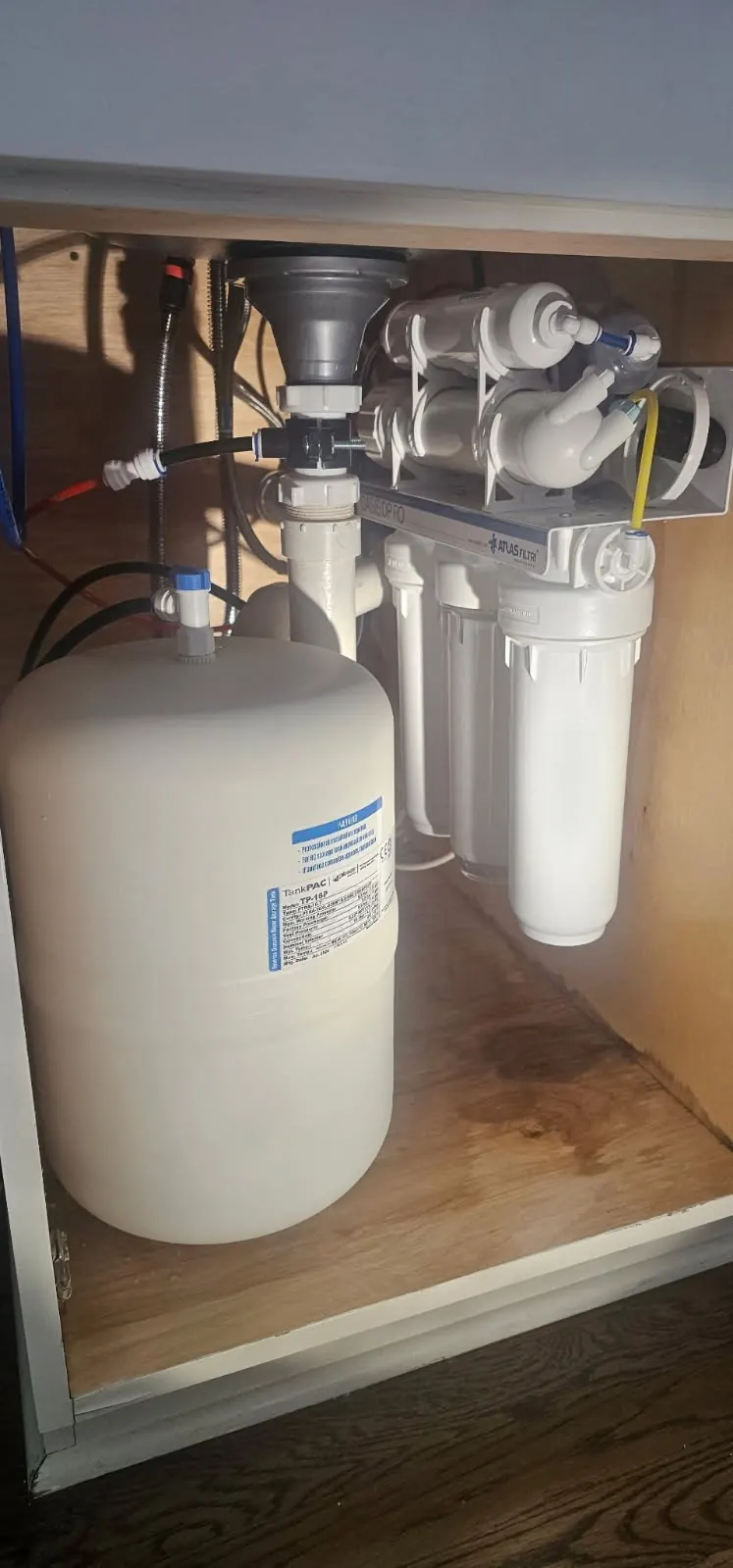
Reverse osmosis pushes water through a very fine membrane that removes most dissolved solids, lead, many chemicals and microbes. Deionization swaps out…

If only the hot water is discolored, the water heater is the likely cause. Brown, red or yellow water usually means rust…