
Why is my hot water a weird color?
If only the hot water is discolored, the water heater is the likely cause. Brown, red or yellow water usually means rust…
Reverse osmosis pushes water through a very fine membrane that removes most dissolved solids, lead, many chemicals and microbes. Deionization swaps out charged minerals but doesn't remove most bacteria or many organic chemicals. For drinking water at home, reverse osmosis is usually the better choice.
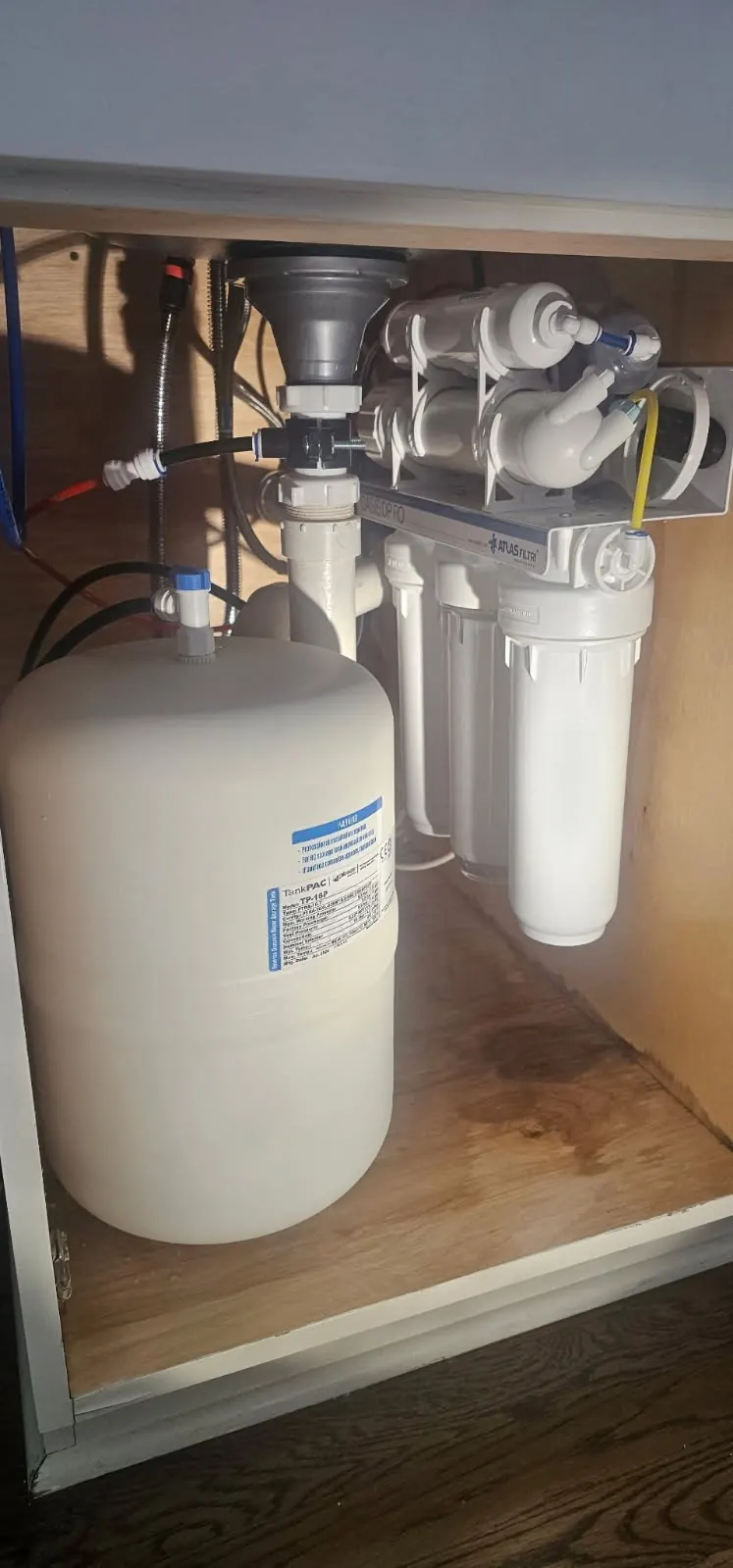
In the battle of the right water filtration systems, which is better, a deionized water filter or a reverse osmosis filter? As a homeowner, you want to make sure your water is fresh, clean and safe for your family to consume and wash with. This is made easier with the help of a water filtration system.
There are numerous types of systems that are ideal for specific uses such as drinking, irrigation and washing.
Here are the biggest differences between two of the most popular systems: reverse osmosis (RO) and deionized water filtration (DI.)
While both systems work to remove impurities from the water, they both use very different methods to get there.
Natural osmosis is the process of moving a liquid from a high ion concentration to a low ion concentration. Reverse osmosis does the opposite.
RO filters use a specialized membrane to force the water into a low ion concentration, leaving behind impurities and minerals that may make the water taste bad.
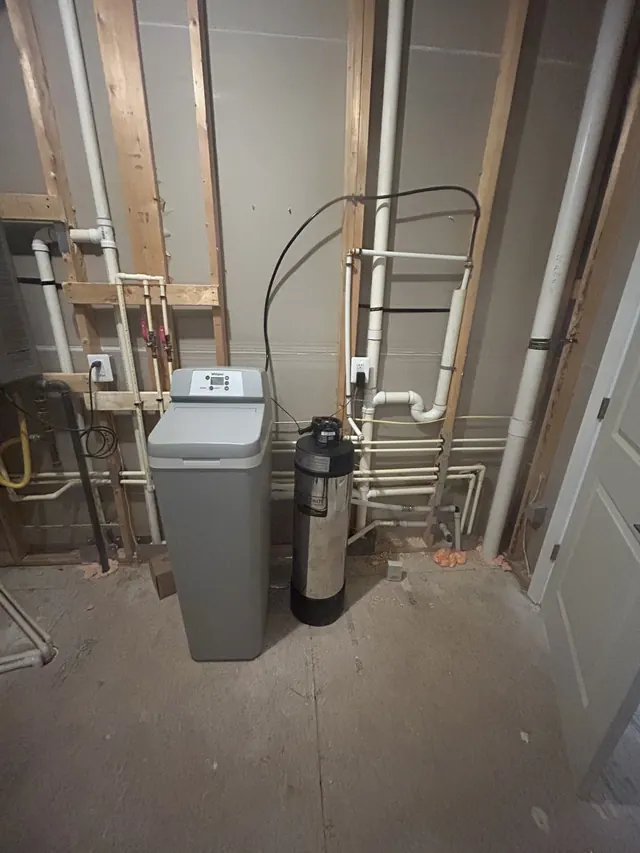
Many people assume that DI and RO filters are one and the same, however, they are very different.
This process has numerous uses in various industries such as pharmaceuticals, auto finishing, and textiles.
The process involves two steps. The first step passes water over positively charged ions. This removes metals and minerals from the water. The next step exposes the positively charged water to negative hydroxyl ions that cancel out the positive hydrogen ions. This leaves the water neutral, clean and pure.
Much like with any home appliance, there are negative and positive aspects of each system. Now that we know how the two work, let’s look at the advantages and disadvantages of each:
Yes. It's low in minerals, so some people add a remineralization stage for taste.
Some. Older systems send several gallons down the drain for every gallon made. Newer systems are much more efficient.
Mostly in labs, manufacturing, aquariums and car washing, where pure mineral-free water matters more than removing bacteria.

If only the hot water is discolored, the water heater is the likely cause. Brown, red or yellow water usually means rust…
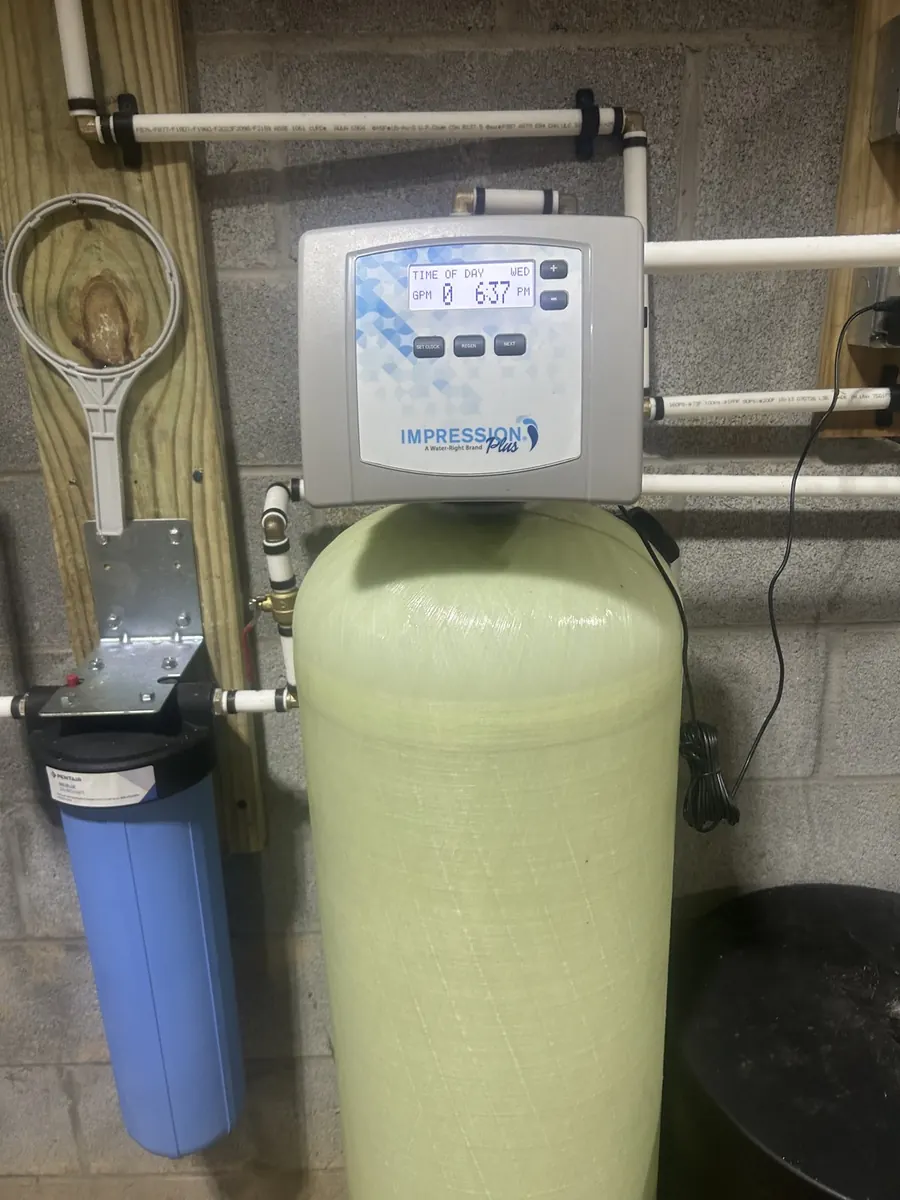
A water softener removes the calcium and magnesium that make water hard. That means less scale on faucets and shower glass, longer…