Installing a tankless water heater: what to know
Switching to tankless usually means upsizing the gas line or adding electrical capacity, new venting, and mounting the unit on a wall.…
Cold incoming water makes your water heater work harder in winter. Flush the tank to clear sediment, insulate the first few feet of hot and cold pipes, check the temperature setting and have the burner or elements checked. If you're running out faster than you used to, the tank may be too small or near the end of its life.
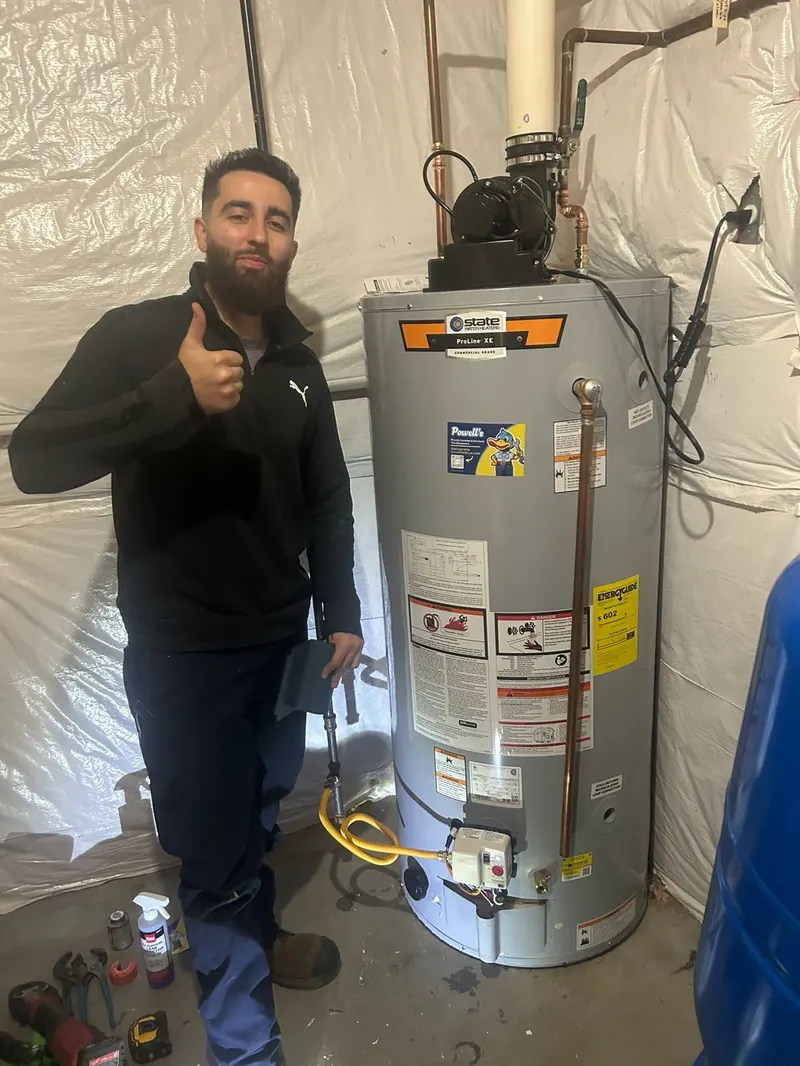
Although they may be good for your health, nobody likes to take cold showers because their hot water heater is not working. As the temperature continues to drop, issues with your hot water may become more bothersome.
If you want to keep your family warm and avoid ice cold showers, here are some tips to help keep your water heater running efficiently and your water hot during the cold winter months.
Insulating your hot water tank and pipes is crucial in keeping your hot water hot this winter. This can be done by wrapping your hot water tank and pipes in insulation material, such as foam pipe insulation. Making sure your pipes are insulated helps prevent heat loss and keeps your water at a consistent temperature.
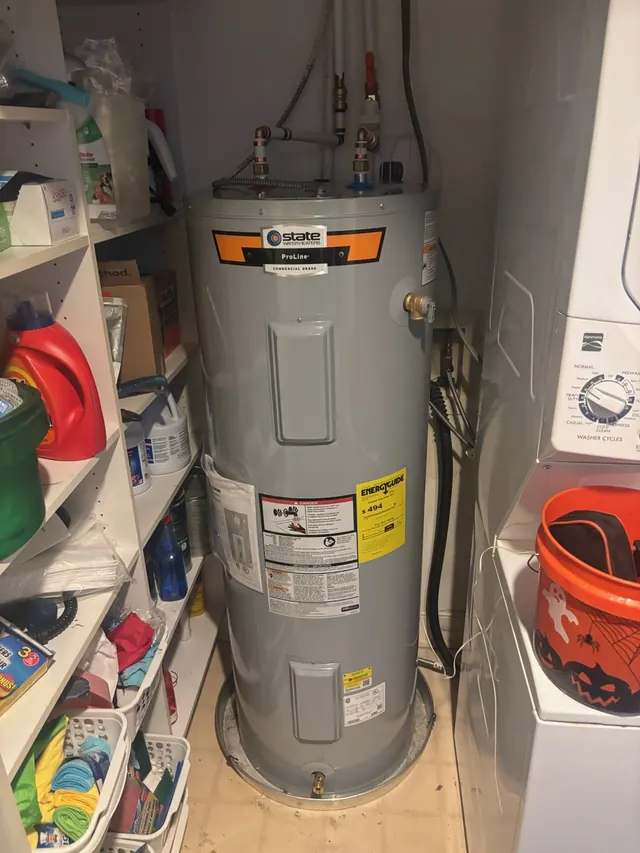
Set your water heater to a higher temperature. This will ensure that your water stays hot, even in cold weather. Most water heaters have a thermostat that allows you to adjust the temperature. It’s generally recommended to set your water heater to between 120 and 140 degrees Fahrenheit for optimal performance.
Fix any leaks that may be present in your plumbing system. Leaks can cause your water to cool down quickly. Ignoring leaks can cause a lot more problems than just the issue of less than ideal water temperature. Therefore, it’s vital to repair any leaks as soon as you notice them!
Using a timer or a programmable thermostat can also help you control the temperature of your water heater and save energy. These devices allow you to set a schedule for when your water heater should be on and off, so you can ensure that it’s only heating water when you need it.
Less hot water can help keep your water hot this winter. Using less hot water can help reduce the strain on your water heater and save energy. You can conserve hot water by taking shorter showers, washing clothes in cold water, and using a dishwasher with a “rinse and hold” option.
Here are a few additional tips to help keep your hot water hot this winter:
Sediment taking up space in the tank, a bad dip tube or heating element, a thermostat set too low, or a tank that's too small for your household.
Distance from the water heater is the usual reason. A recirculation pump can bring hot water to the tap much faster.
Insulating the first 6 feet of pipe helps on any heater. Older tanks benefit from an insulation blanket. Don't cover the controls or the top of a gas unit.
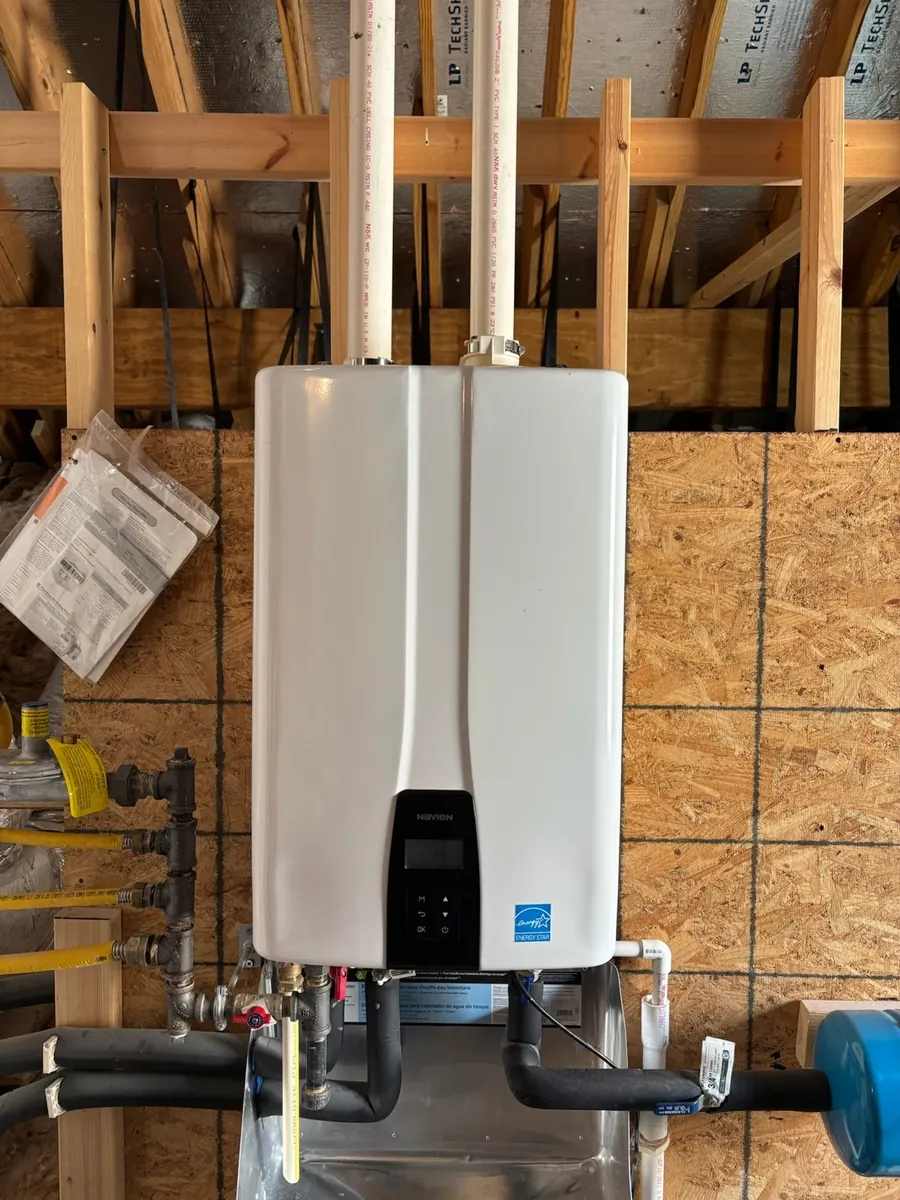
Switching to tankless usually means upsizing the gas line or adding electrical capacity, new venting, and mounting the unit on a wall.…
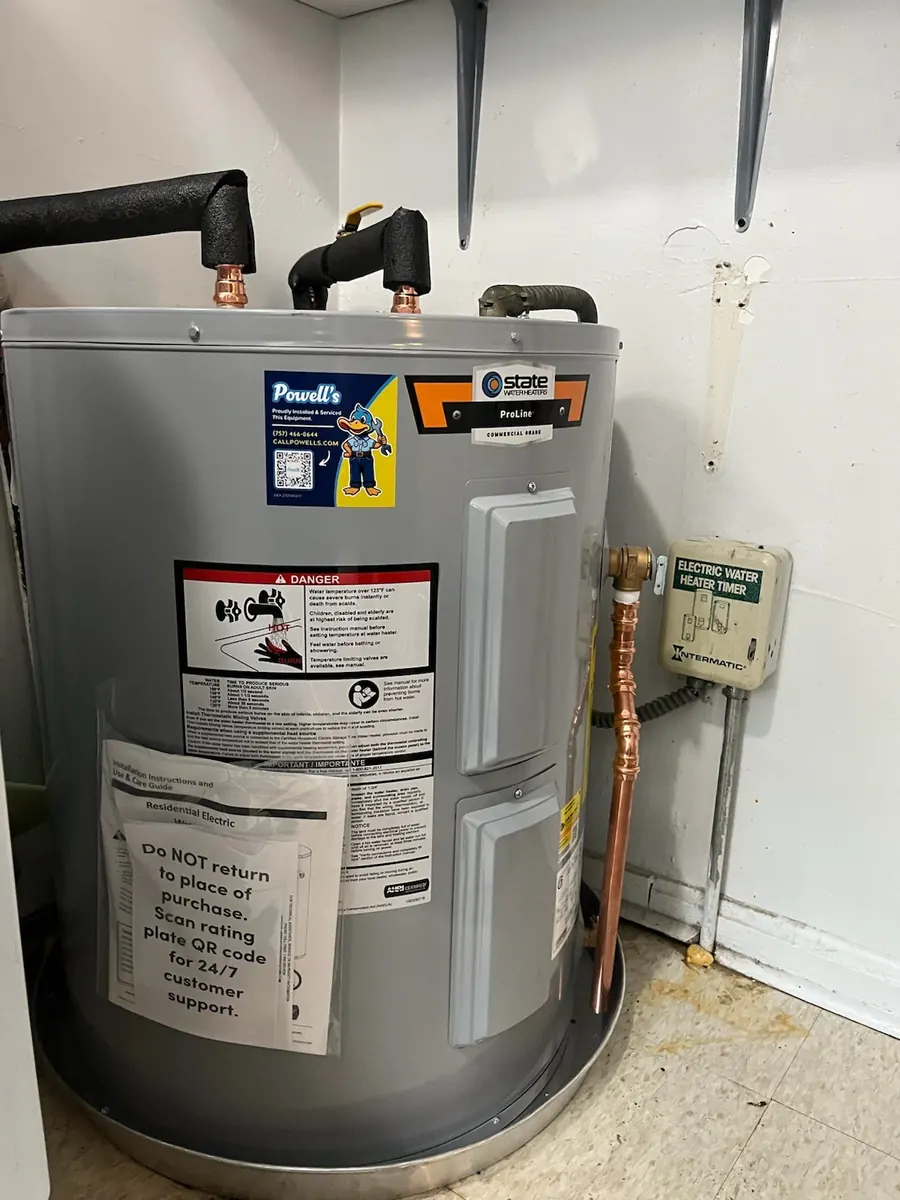
A tank water heater keeps 40 to 80 gallons hot and ready, costs less up front and is simple to replace. A…