Tips to keep your hot water hot this winter
Cold incoming water makes your water heater work harder in winter. Flush the tank to clear sediment, insulate the first few feet…
Switching to tankless usually means upsizing the gas line or adding electrical capacity, new venting, and mounting the unit on a wall. Done right, you get endless hot water, more floor space and a unit that can last about 20 years. Done wrong, you get cold-water sandwiches, error codes and safety risks, so this is a job for a licensed pro.
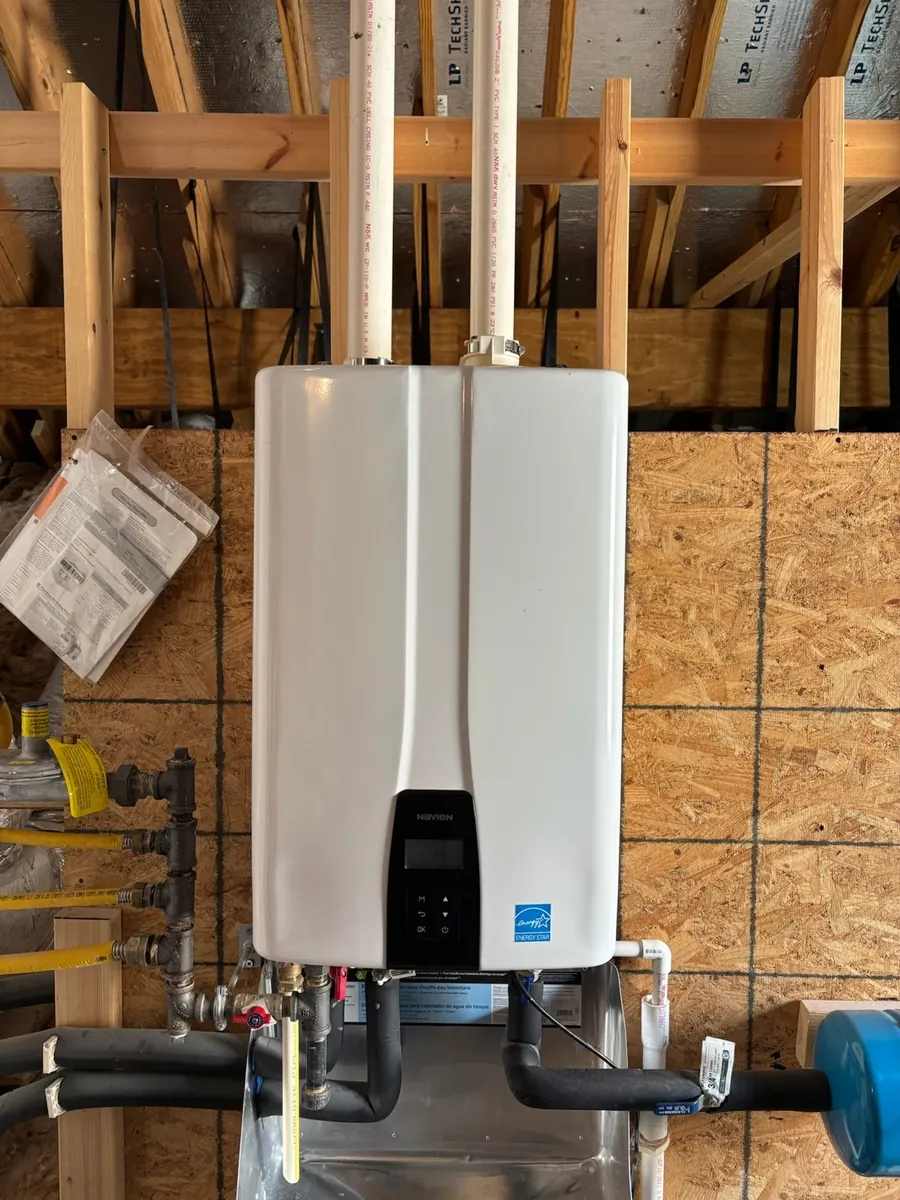
Never worry about your hot water running out when using multiple sources such as the laundry machine, shower, dishes, or water hose by installing a tankless water heater. Tankless water heaters save space, hot water use, is energy efficient, and is easy to install. Let’s look at what you need to do to install your tankless water heater.
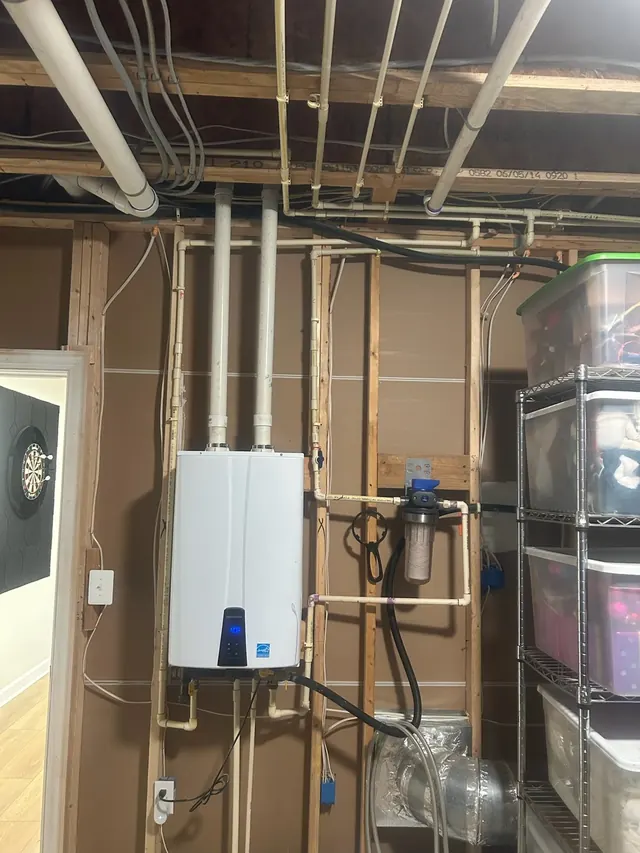
When installing a tankless water heater to replace your traditional water heater, there are a few steps that you need to take. To remove the existing water heater, you want to make sure that you shut off the water valves and any electrical circuits connected to the unit. Once everything is disconnected you can remove the old unit and install the new tankless unit. Tankless units take up less space and can be mounted up against the wall or even into the wall between studs. Once you have the unit installed how you want it, you can connect the water supply pipes to it. The water utility connects to the inlet and the pipe that leads to the house is connected to the outlet. You will then need to install shut off valves for both water lines. Union fittings should be used on the inlet and the outlet. Once all the pipes are connected and secure you will want to open the water valves only. Turn on the faucets in house and let the water run for a couple minutes. At this point shut off the valves again. The inline filter near the inlet will need to be cleaned of any debris. You can then put the filter back, turn on the water valves, and turn on electricity and gas.
Depending on the type of tankless water heater you choose, there may be additional parts to install, so make sure you read your unit’s installation manual. One good idea especially in colder climates, is to wrap your water pipes to the tankless water heater. In extreme cold weather, water pipes can possibly freeze up. Insulation pads will help prevent this.
Our plumbing services extends to and from Norfolk, Chesapeake, Virginia Beach and all cities in between. Our blog has great advice and can be found here.
Most installs take most of a day. Converting from a tank can take longer if the gas line or venting needs work.
Yes. Flush the heat exchanger once a year, more often with hard water, and clean the inlet filter.
We don't recommend it. Gas sizing, venting and electrical work have to meet code and need a permit in most areas. Mistakes can be dangerous.
Many can alert you to leaks, error codes and maintenance needs on your phone, and help a technician diagnose problems faster.
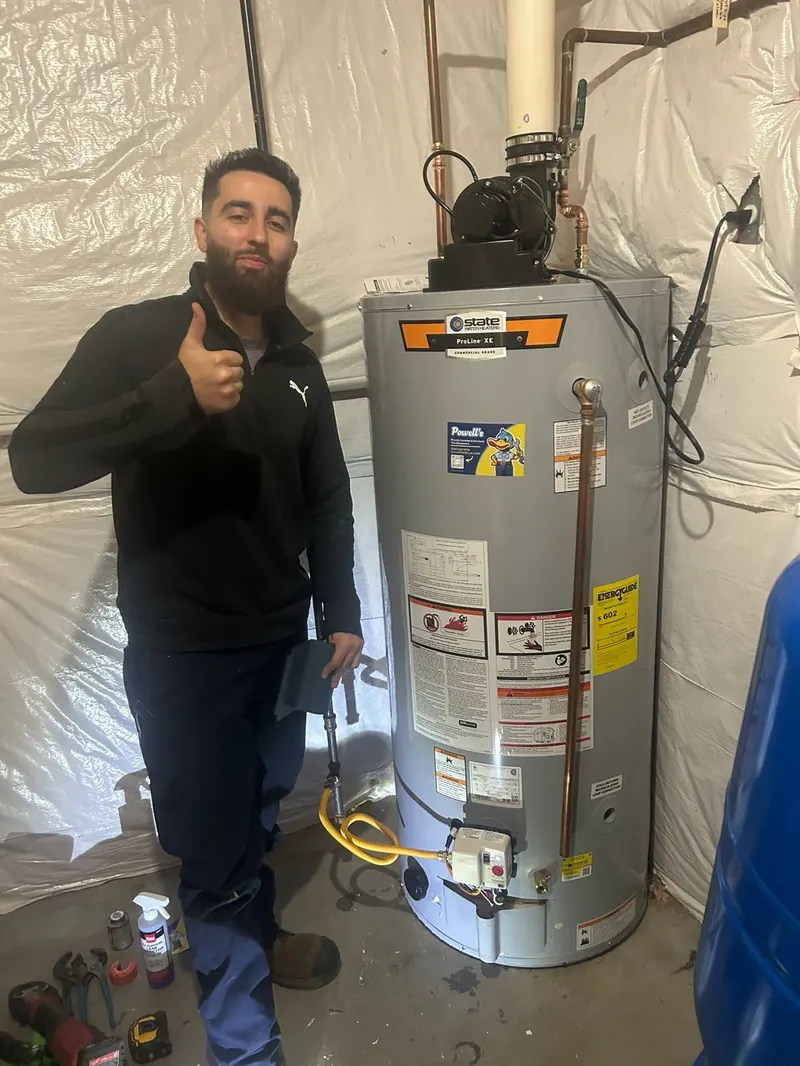
Cold incoming water makes your water heater work harder in winter. Flush the tank to clear sediment, insulate the first few feet…
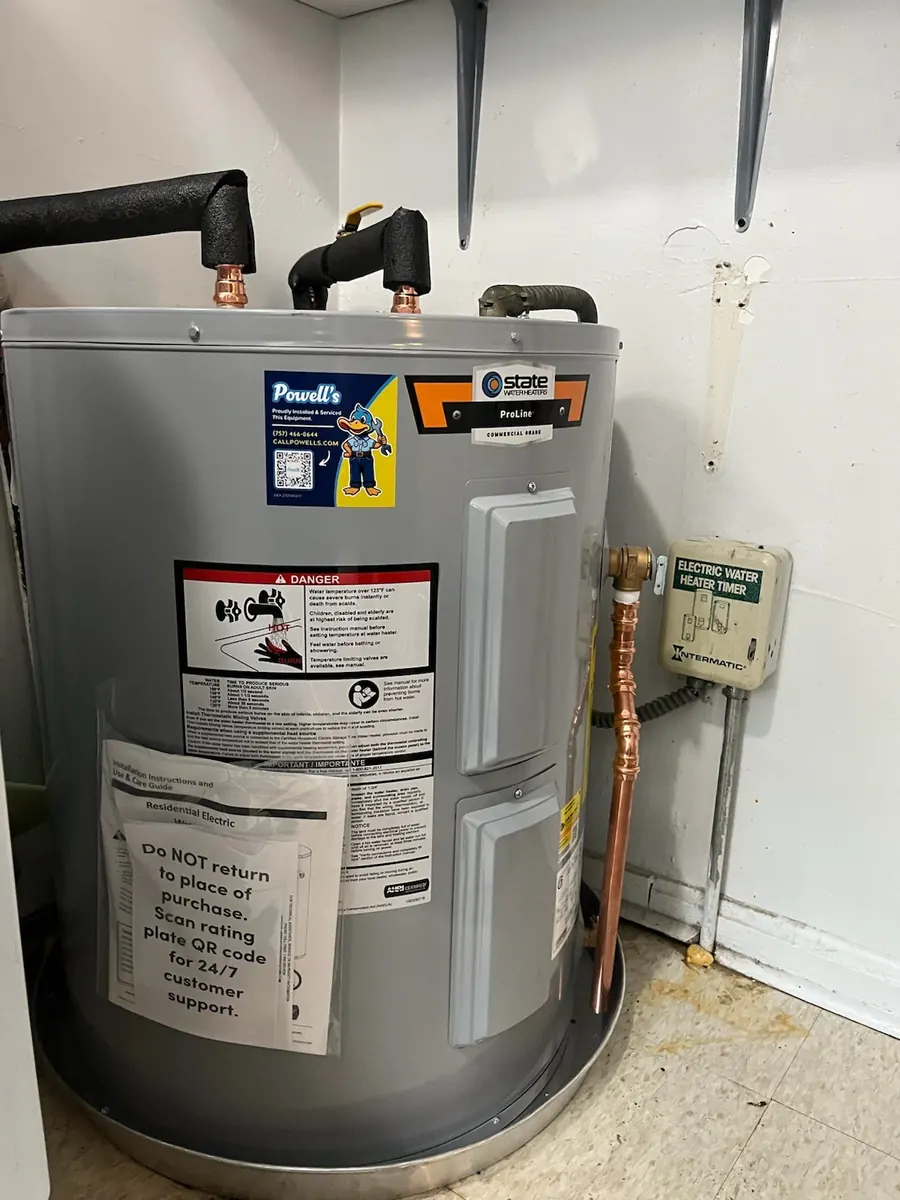
A tank water heater keeps 40 to 80 gallons hot and ready, costs less up front and is simple to replace. A…