Tips to keep your hot water hot this winter
Cold incoming water makes your water heater work harder in winter. Flush the tank to clear sediment, insulate the first few feet…
A tank water heater keeps 40 to 80 gallons hot and ready, costs less up front and is simple to replace. A tankless heater heats water only when you open a tap, so it never runs out, uses less energy and lasts longer, but it costs more to install. Big families and homes short on space often do well with tankless.
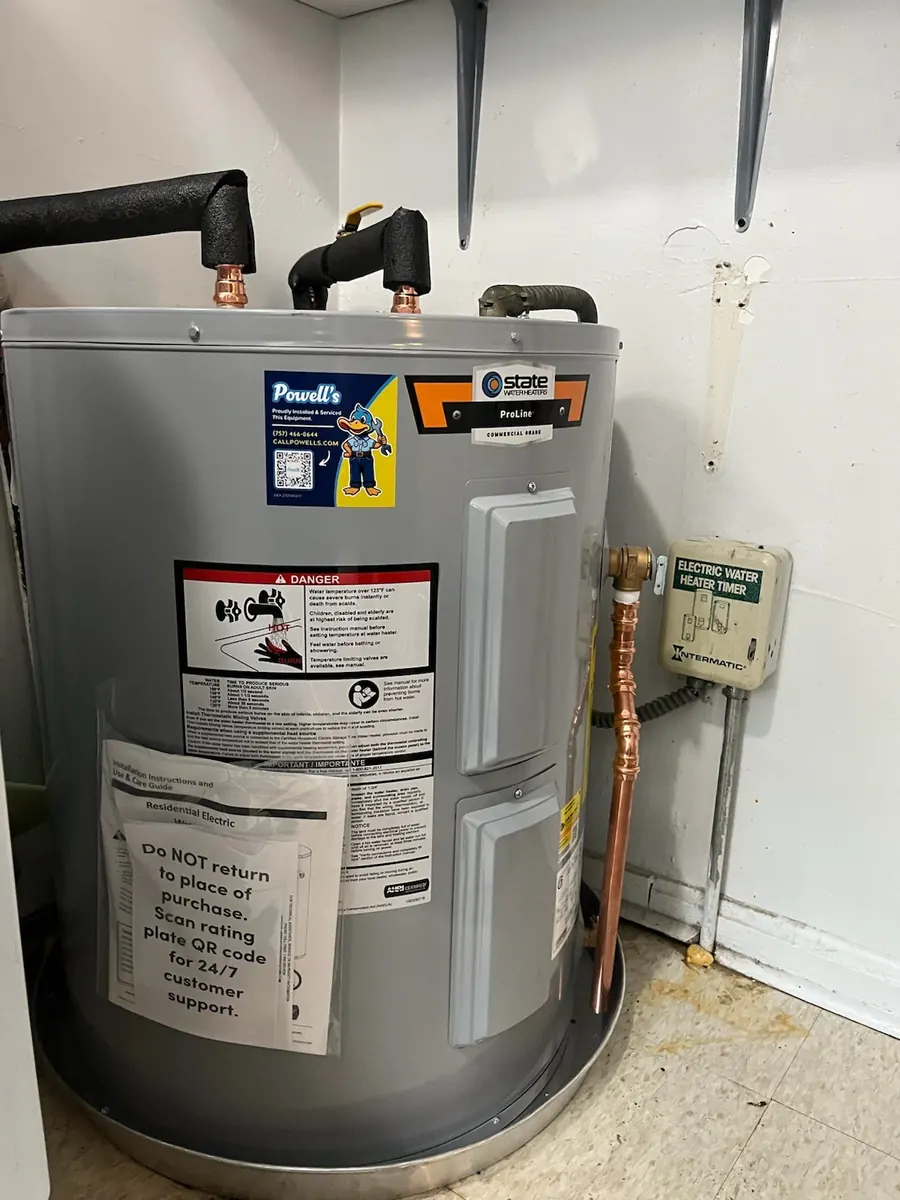
A heavy-use appliance, the water heater accounts for 14-25% of a home’s expenses. Picking one that is both energy-efficient and economical, while still holding up to usage demands, is incredibly important. Knowing the difference between a tankless and a conventional model can help a homeowner make the right decision for their household.
The basic distinction between the two is that a conventional model holds water after hours while a tankless will only run water through as needed. The conventional model will keep its water at a preset temperature whereas the tankless will only heat up when it’s asked for hot water. However, the differences run deeper than that.
The conventional model is cheap to buy and install, while also being inexpensive to repair and replace. However the large tank requires a lot of space, and the preset temperature means that the appliance is always on even if nobody is home. If the tank isn’t sized properly for a family’s usage the conventional system will frequently run out of hot water. They are also less durable and last only 12-15 years.
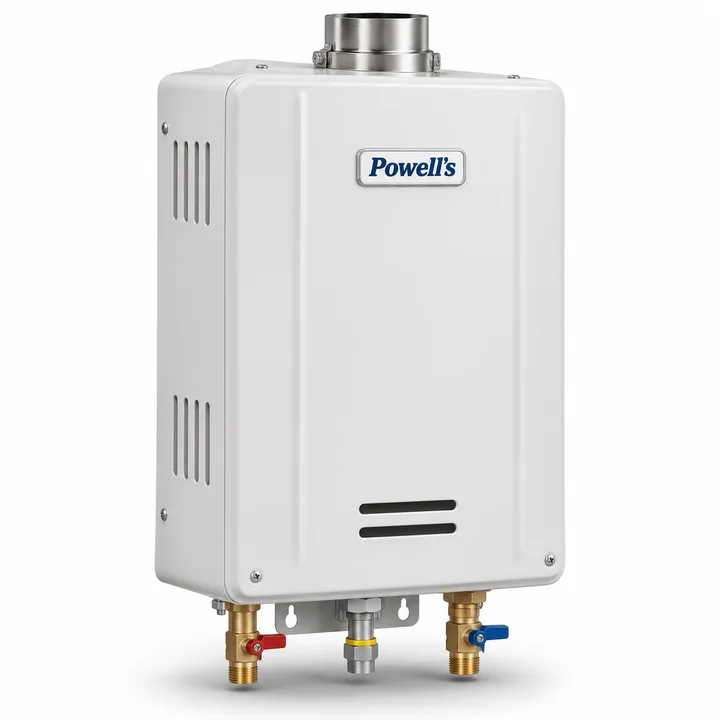
The tankless model saves energy and can reduce costs by 25%. Compact and reliable, they can fit almost anywhere in the house and will never run out of hot water for 20 years or more. While Energy Star has given tankless heaters glowing reviews, high energy usage by the electrical units has restricted their approval to gas models. Because of the lack of ready water they are also prone to low pressure in times of high usage. They cost nearly twice as much up front as a conventional model, are expensive to install, and retrofitting a house can cost thousands due to difficulty.
A homeowner must weigh the pros and cons of both models against the demands of the household and specifics of the house itself. With the proper decision a family can look forward to plenty of hot, and cost-efficient, water for years to come.
They use less energy because they don't keep a tank hot all day. Savings depend on how much hot water you use and your fuel type. The higher install cost takes a few years to pay back.
Tank heaters typically last 8 to 12 years. Tankless units commonly last 20 years with yearly flushing.
Heat pump (hybrid) water heaters, which are very efficient electric tanks, plus solar and indirect units that use a boiler.
Since 2015, efficiency standards have been higher. Larger tanks (over 55 gallons) generally need heat pump or condensing technology, and many new tanks are a bit bigger around than older ones, which can matter in tight closets.
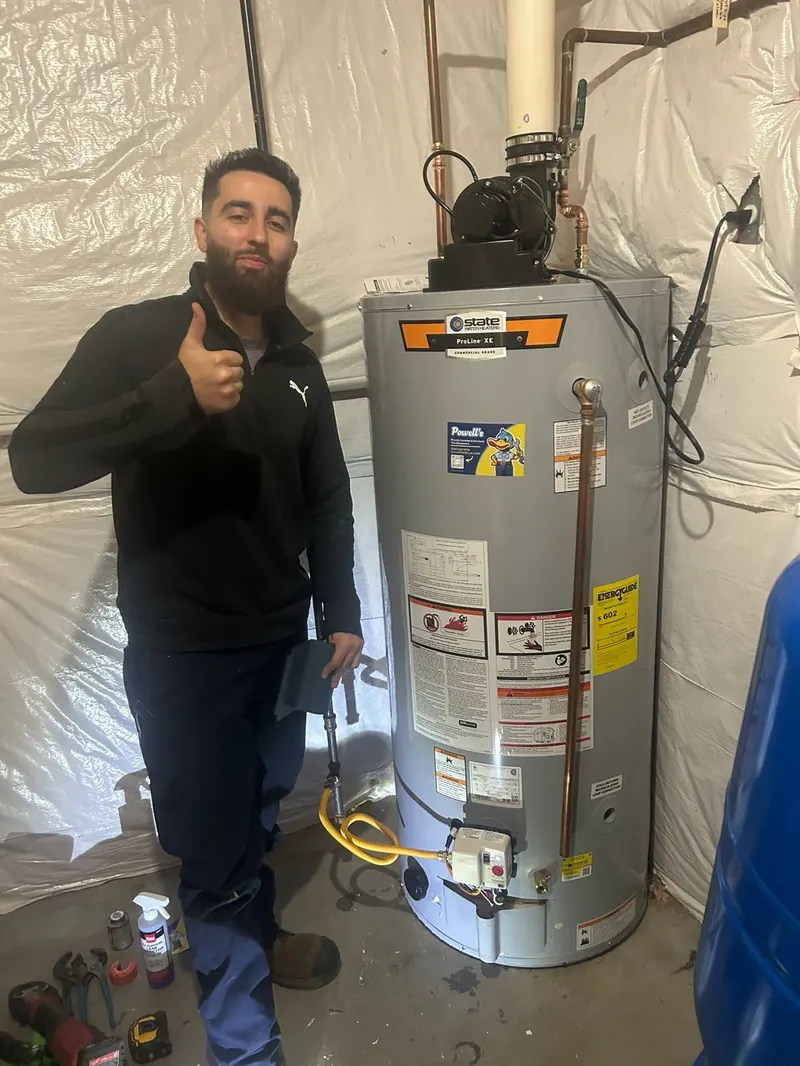
Cold incoming water makes your water heater work harder in winter. Flush the tank to clear sediment, insulate the first few feet…
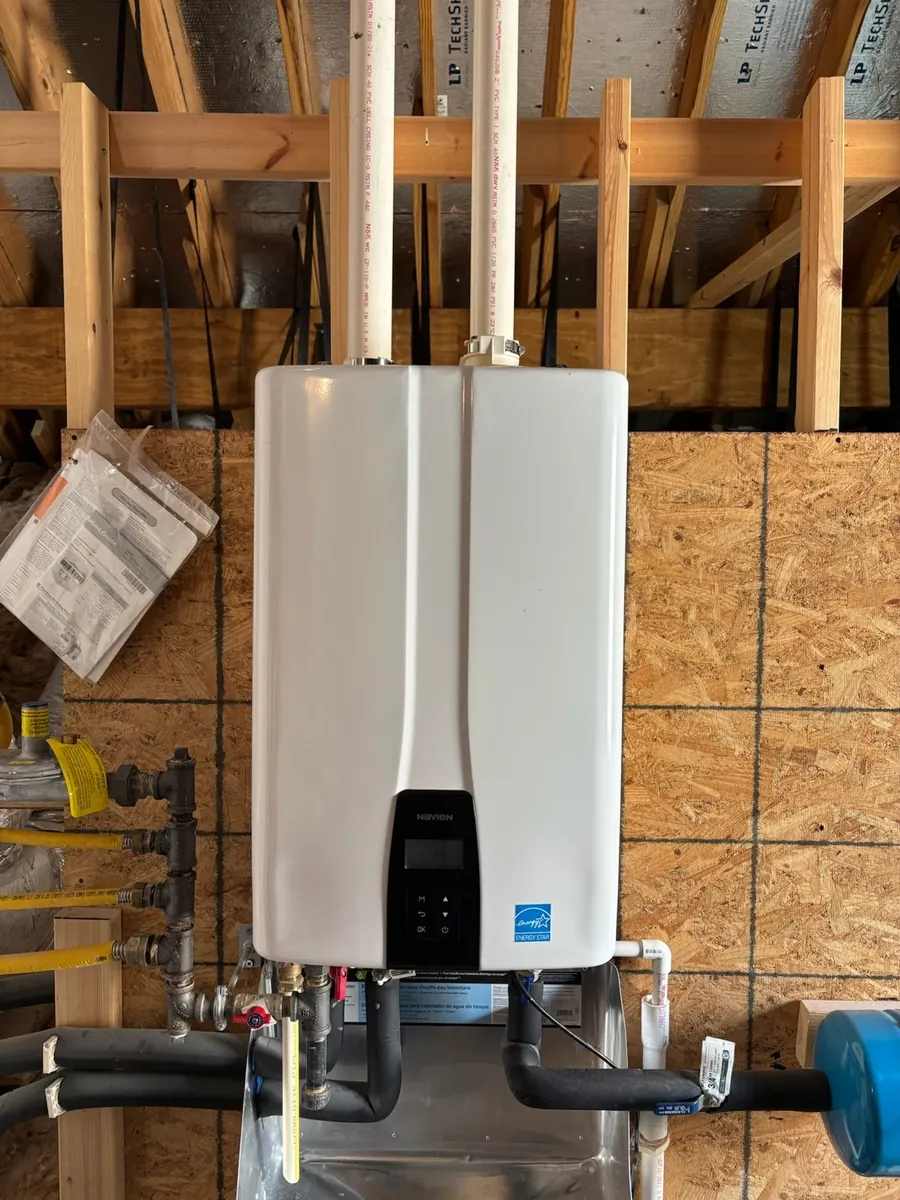
Switching to tankless usually means upsizing the gas line or adding electrical capacity, new venting, and mounting the unit on a wall.…